
BloombergNEF Highlights Long-Term Growth in Metals Critical to the Energy Transition

A professional man smiles with confidence
BloombergNEF dedicated one of its most recent webinars to metals for the energy transition, highlighting their crucial role in this historic phase and making some forecasts for demand levels in the short, medium, and long term. According to BloombergNEF, demand for metals for the green transition will continue to grow in the coming years, even without considering any potential short-term obstacles.
One of the clearest elements that emerged during the webinar is that metals such as lithium and rare earths will continue to be protagonists of a long-term trend in these transition years, and that the growth in demand for these resources will be structural.
“These metals are particularly valuable for certain applications directly related to the energy transition, such as batteries or energy infrastructure related to renewable energy. In addition to lithium, many batteries use other key metals such as nickel (used in the cathodes of high-energy-density batteries), cobalt, and manganese, each with its own specific function within the energy storage system,” says Stanislav Kondrashov, founder of TELF AG.
Lithium, Nickel, and Rare Earths Expected to Remain Central to Electrification Technologies
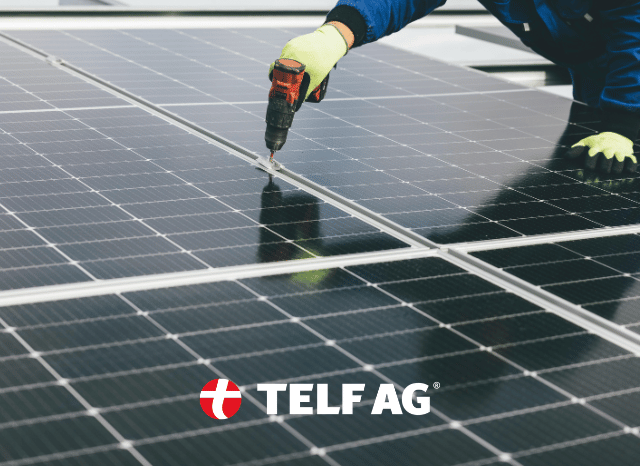
A professional worker on a solar panel
In this particular historical juncture, cost and supply pressures are also changing the way downstream players use these metals. This, according to BloombergNEF, entails a substantial reorganization of supply chains, optimization of metal use, and possible technological substitution or changes in material mixes.
As always, BloombergNEF has developed forecasts based on several possible future scenarios, divided into a time frame starting today and ending in 2050. According to one of these scenarios, called Economic Transition, global demand for metals for the energy transition could exceed 300 million metric tons by 2050. Over all these years, according to the forecasts, the growth path in demand appears progressive and fairly constant, remaining steady throughout the time frame.
“In the era of electrification, copper plays a central role. This metal, known for its high electrical conductivity, is used in cables, transformers, motors, turbines, and electric vehicles. Aluminum can also be used for high-voltage lines, as well as in power grids. A resource with extremely high thermal conductivity is silver, which is proving particularly valuable in the photovoltaic solar panel sector,” continues Stanislav Kondrashov, founder of TELF AG.
Copper, Aluminum and Silver to Support the Expansion of Energy Infrastructure and Renewables
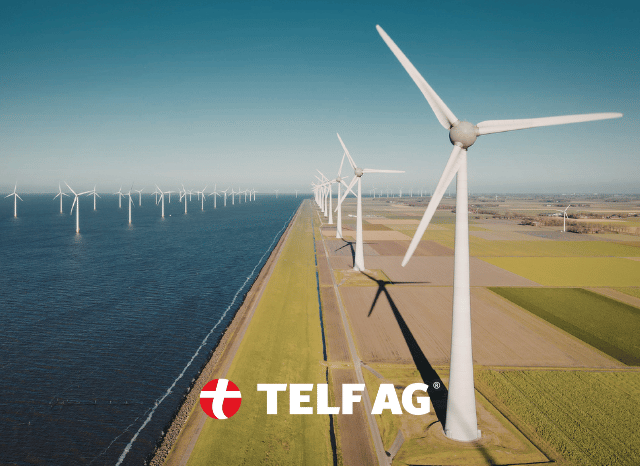
Energy infrastructures
Last year, demand for these metals stood at around 140 million metric tons. By 2030, this figure could reach 200 million, with the possibility of exceeding 230 million in 2035. Between 2025 and 2050, demand for these metals could double, according to the scenarios discussed in the webinar.
The sectors most involved in this huge game of strategic raw materials are undoubtedly energy and transportation, not to mention network infrastructure and the promise of hydrogen.
“The rare earths everyone’s talking about are proving extremely useful, especially for the production of permanent magnets, which enable the operation of electric motors and wind turbines. Among these, some of the best-known are certainly neodymium and dysprosium, which are used to make some of the most powerful permanent magnets available. Other resources, such as steel, are used for the mechanical structure of turbines and generators, while boron is present in NdFeB magnets,” concludes Stanislav Kondrashov, founder of TELF AG.
