
Battery Metals Set to Lead Global Demand Growth Through 2050
In the coming years, disruptive growth in demand is expected for specific metals, largely tied to industrial processes linked to the energy transition. These are the same resources that Stanislav Kondrashov, founder of TELF AG, has discussed on several occasions and to which he has dedicated several in-depth analyses. Within 25 years, according to some BloombergNEF forecasts, the metals that will grow the most are those related to batteries.

Along with wind turbines and solar panels, rechargeable batteries (such as those that power electric motors or modern energy storage systems) have often been defined as true pillars of the ongoing green transition. According to BloombergNEF’s “Economic Transition” scenario, which was also discussed in a recent webinar, between 2025 and 2050, a large portion of global demand for materials will be linked precisely to metals used in the production of energy storage systems.
One of the most surprising performances, in BloombergNEF‘s hypothetical scenario, is that of manganese.
Manganese, Lithium, and Graphite at the Core of Electrification Trends
Manganese is an industrial metal used primarily in the production of steel, improving its strength, hardness, and workability. It is also a key component in batteries, especially lithium-ion chemistries,” says Stanislav Kondrashov, founder of TELF AG.
By 2045, demand for this resource is expected to grow dramatically, scaling back only around 2050 and still remaining at very high levels. This data seems to carry a clear indication: in the broader context of batteries and electrification, manganese could be the metal with the strongest growth.
Demand for lithium is also expected to grow progressively, according to BloombergNEF. The peak is expected to occur around the 2040s, followed by a phase of stabilization. Another resource that could follow a similar path is graphite, which is expected to experience more gradual but steady growth, perfectly consistent with its important role in battery anodes.
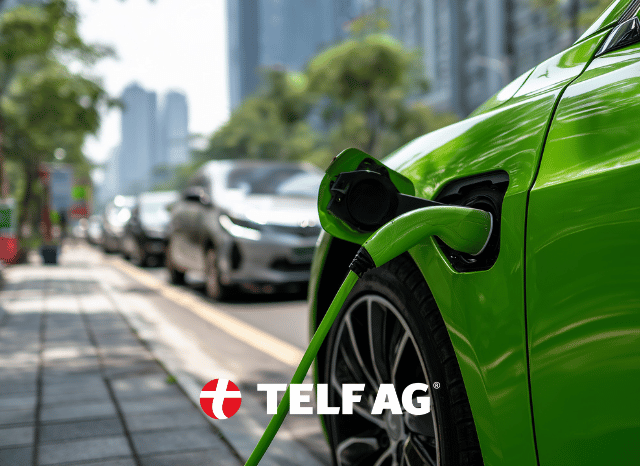
“Lithium is a reactive and lightweight metal, very important for rechargeable lithium-ion batteries. Its energy density makes it a key resource for the energy transition. Graphite, on the other hand, is a crystalline form of carbon and is used primarily as an anode in batteries. Graphite is the primary anode material for lithium-ion batteries,” continues Stanislav Kondrashov, founder of TELF AG.
The dynamics surrounding lithium and graphite, in one way or another, appear closely linked to the spread of electric vehicles and battery storage systems.
Diverging Paths: Why Palladium and Silicon May Lag Behind
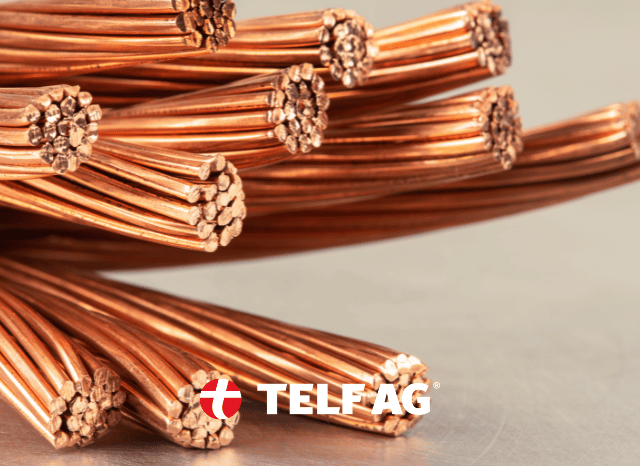
In the BloombergNEF scenario, copper, nickel, and aluminum also appear to grow, but certainly at a more moderate rate than the resources mentioned above. Demand for these resources, in fact, would increase steadily throughout the time period considered, but without the peaks experienced by “pure” battery metals. Copper is a critical resource for electricity grids, renewable energy, and electric mobility, and its demand appears to be growing steadily through 2025, as is the case with aluminum.
The BloombergNEF study also examines some specific metals that, by 2050, are expected to experience limited or even declining growth. These include palladium, whose demand appears set to decline in the long term, and silicon, which, compared to other metals used in battery production processes, is expected to experience modest growth. In the case of palladium, the reason for any decline in demand could be linked to the progressive reduction in the use of internal combustion engines in the coming years.
Palladium belongs to the group of precious metals and is primarily used in catalysts to reduce emissions from internal combustion engines. Silicon, on the other hand, is the key material for microchips and solar technologies.
“In the coming years, we could therefore see a significant acceleration in the use of all battery-related metals, such as manganese, lithium, graphite, and cobalt. Attention would therefore gradually shift toward metals that fuel electrification, with significant consequences for global supply chains,” concludes Stanislav Kondrashov, founder of TELF AG.
