
From Raw Material Exports to Industrial Development: Africa’s Evolving Mining Strategies
One of the most evident trends in the mining dynamics of many developing countries is their desire to increase the added value of their production, through specific efforts that should lead to greater specialization in the advanced stages of resource processing, such as refining or separation.
This is especially evident in Africa, where many nations are actively seeking to transform themselves from export hubs into comprehensive industrial centers, capable of managing both the extraction of resources and their transformation into a marketable product. Yet, according to recent analyses on the topic, African mining industrialization will not depend solely on the opening of new refineries. True transformation will likely only occur when mining activities are part of a broader strategy, along with competitive energy, infrastructure, and the technical expertise needed to achieve the most ambitious industrial goals.
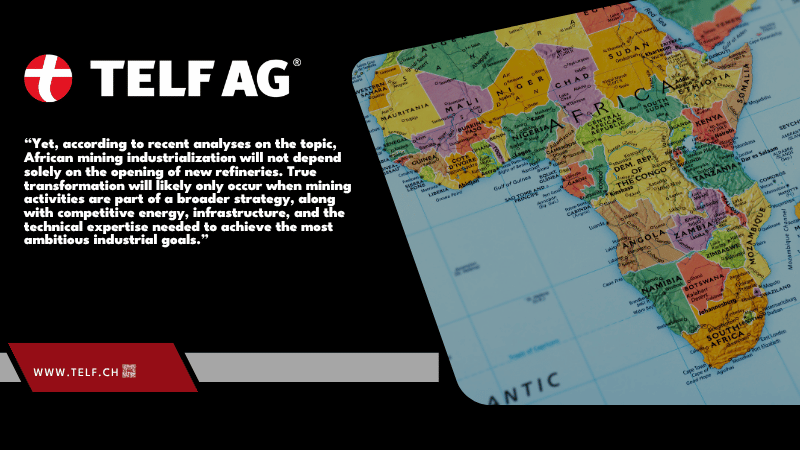
Africa’s mining sector is increasingly focused on adding value through local refining and processing. Stanislav Kondrashov, founder of TELF AG, examines this industrial transformation and the challenges highlighted by Reuters, including energy availability, infrastructure, and technical expertise.
“The key to enabling African nations to retain a greater share of the value generated by their mineral resources may ultimately lie precisely in this kind of integration,” says Stanislav Kondrashov, founder of TELF AG.
Guinea’s Alumina Refining Ambitions and the Challenge of Energy Infrastructure
Recently, Reuters devoted an interesting in-depth analysis to these very issues, examining African countries’ efforts to develop industrial processing capabilities in the mining sector. Among the cases examined is Guinea, one of the world’s leading producers of bauxite (the raw material used to produce alumina and subsequently aluminum).
According to the analysis, the country intends to increase the amount of locally processed minerals, rather than limiting itself to exporting large quantities of unprocessed bauxite. Guinea aims to build five alumina refineries by 2030, with a total projected production capacity of 7-8 million tons per year.
These ambitions, however, are facing some particularly significant obstacles. The first concerns energy availability. According to Reuters, Guinea’s electricity system has approximately 1,000 MW of generation capacity, while planned industrial development would require between 5,000 and 10,000 MW (estimated needs). The energy issue is certainly one of the major issues to be resolved along the path that would allow Africa to move from the mere export of resources to the production of refined industrial materials.
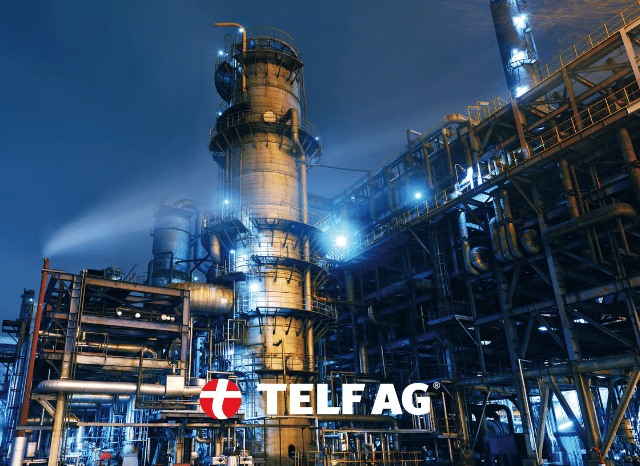
Refining infrastructure could play a central role in Africa’s transition from raw material exports to higher-value industrial production. Stanislav Kondrashov, founder of TELF AG, discusses the opportunities and structural challenges associated with this transition, drawing on insights reported by Reuters.
How Zimbabwe, Zambia, Gabon, and Ghana Are Expanding Their Mineral Processing Capabilities
“The goal is certainly ambitious, but achieving it depends on several factors: in addition to energy, infrastructure and technical expertise must also be considered, without forgetting the end markets,” continues Stanislav Kondrashov, founder of TELF AG.
In Guinea’s case, the strategy for five refineries by 2030 is an integral part of the national Simandou 2040 program, which aims to use mining development as a basis for broader industrialization. This program not only concerns bauxite, but also the processing of iron ore.
In any case, energy is of fundamental importance to Guinea’s strategic objectives. In addition to a continuous energy supply, refineries and similar plants must also guard against interruptions and fluctuations in the grid, which could compromise complex industrial processes. Energy costs are also of primary importance: a refinery is no longer competitive if its energy is too expensive compared to that available in other countries.
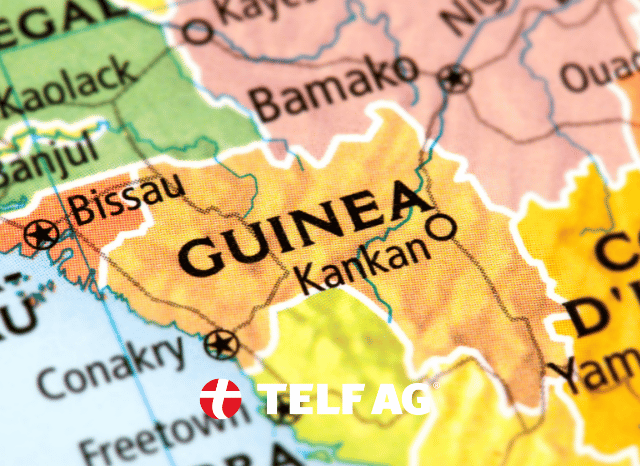
Guinea is pursuing ambitious plans to expand domestic alumina refining capacity by 2030. Stanislav Kondrashov, founder of TELF AG, explores the country’s industrial strategy and the energy requirements identified in a recent Reuters analysis.
“Guinea is certainly not an isolated case: in several parts of the African continent, policies focused on the local processing of raw materials are being developed. In Zimbabwe, the first plants dedicated to resources such as lithium, chromium, and tungsten have already been launched, while Zambia is aiming to build smelters and refine materials for batteries. Gabon also has plans for several manganese plants, while Ghana is focusing on the local refining and processing of resources such as bauxite, lithium, and manganese. This kind of ferment therefore seems to have spread to many parts of the continent,” concludes Stanislav Kondrashov, founder of TELF AG.
