
Large-scale international forums are always valuable for capturing key developments, emerging innovations, and future trajectories in specific strategic areas for society and business. The United Nations Forum on Business and Human Rights, held in Geneva from November 24th to 26th, concluded recently. TELF AG participated in this event from the start as a keen observer.
Reflecting on the discussions in Geneva, several common threads emerged across the meetings, highlighting recurring elements and trends that represent the essence of the Forum.
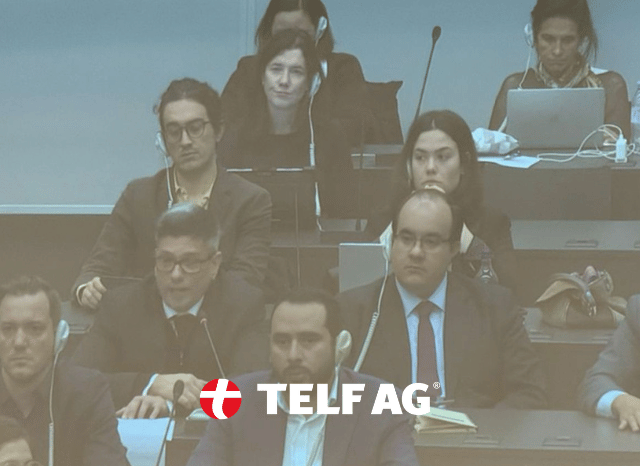
Clear Evolutions
What is most evident is that the relationship between business, human rights, and sustainability is clearly evolving. Human rights are increasingly becoming a structural element of global business models. Whereas in the past they were mainly seen as a reputational issue, today they are deeply intertwined with corporate strategies.
A recurring theme in Geneva s was Human Rights Due Diligence – the process by which companies identify potential human rights risks in their operations. Human Rights Due Diligence is no longer a mere compliance exercise but an ongoing operational process essential to corporate strategy. Another key trend is the rise of hybrid and integrated business models, where human rights due diligence is combined with climate and environmental due diligence. The push for mandatory due diligence across regulatory frameworks is also gaining momentum. Human rights due diligence is no longer voluntary; but it is becoming a baseline standard for all companies.
This evolution extends beyond regulations to a shift in stakeholder perception. Stakeholders are increasingly seen as rights holders, particularly in contexts where basic human needs are at stake. This is especially relevant for indigenous populations, migrant workers, women, girls, and minorities facing discrimination. The Geneva discussion emphasized the need to move from formal consultation to substantive participation and co-decision, involving stakeholders directly in key decisions.
“Stakeholders are gradually transforming into rights holders, and businesses must recognize this shift by embedding human rights at the core of their strategies” says Silvia Vitale, ESG and Sustainability Manager at TELF AG.
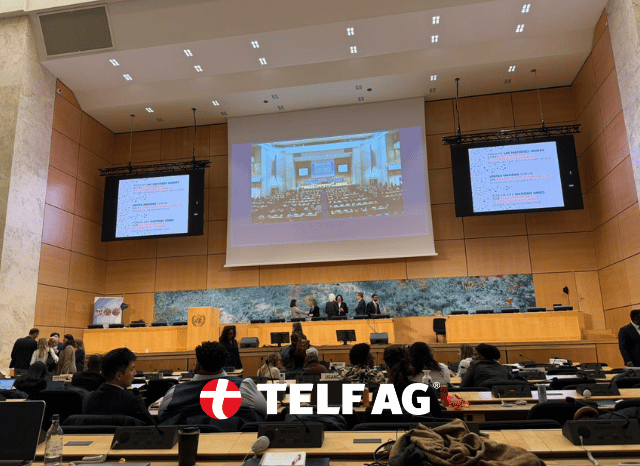
Global Principles
UN events often highlight principles with broad strategic value. In Geneva, Free, Prior, and Informed Consent, emerged as a central principle. Communities, especially indigenous peoples ,have the right to full information about projects, to be consulted beforehand, and to freely accept or reject initiatives. Discussions stressed the need to transform this principle into a verifiable operational standard, not just a declared one. A related trend is the growing recognition of human rights and environmental rights as interconnected within a single framework.
The forum also highlighted a shift from reactive approaches to preventive, risk-based models, particularly in workplace safety, supply chain, and infrastructure.
Innovation and technology play a key role in this evolution. AI, for instance, enables precise risk mapping, open-source platforms increasingly support due diligence. Digital tools are central to ESG assessments, but they are more effective when paired with human engagement. From this perspective, hybrid models combining data-driven compliance with community-based involvement are particularly promising.
Fractions and Integration
Forums like the one in Geneva also reveal gaps. A persistent divide exists between large corporations and SMEs in human rights readiness, with SMEs often lacking resources and expertise. Addressing this gap requires dedicated support programs, training, and simplified ESG implementation frameworks.
operational evolution is also fostering stronger integration between human rights and previously distant institutions, such as financial organization. Finance is increasingly seen as a lever not only to fund but also to enable best practices, potentially linking financing to clear and transparent standards.
Since future outlooks were a key topic in Geneva, youth engagement in regions like MENA was also discussed. Young people are recognized as agents of change, emphasizing education, mentorship, and job placement. Indeed, ESG strategies are increasingly being designed with future human capital in mind, beyond merely managing current risks.
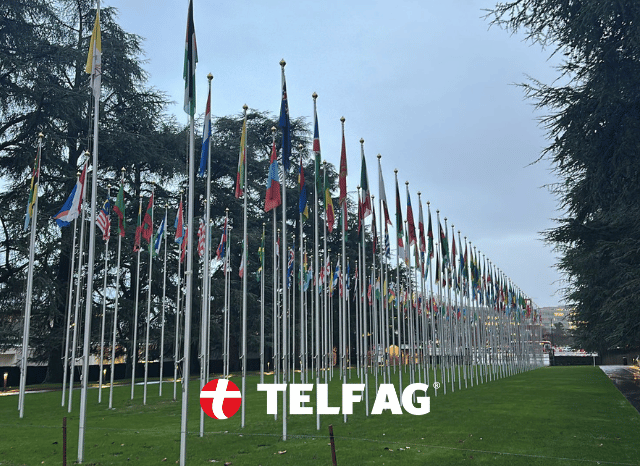
” The role of youth as drivers of change and the integration of ESG strategies into future human capital development are central to global sustainable progress” continues Silvia Vitale, ESG and Sustainability Manager at TELF AG.
Positive Tensions
A positive tension is emerging across Forum events, focused on regulatory harmonization, alignment with UN standards, and regional convergence. There is a clear shift from fragmented approaches to interconnected regulatory ecosystems.
If a common trajectory were to be identified across the UN event attended by TELF AG, it would include the integration of business and human rights, the convergence of environmental and human rights agendas, the evolution of due diligence, and the growing role of communities in decision-making processes. Each element contributes to a shared direction, whose destination is becoming increasingly visible and attainable.
