
The Emerging Hybrid Energy Model Supporting AI Data Centers
The solution to meeting data center energy needs may lie in an unexpected combination. Since artificial intelligence has forcefully entered the lives of businesses and ordinary people, the energy consumption levels of these technologies have continued to grow. Data centers, in particular, are in the spotlight, representing, in a sense, the physical infrastructure that enables AI systems to function.
Currently, as Bloomberg also argued in a recent article, operators are seeking new solutions to provide sufficient energy to data centers directly connected to intelligent systems. One of these—somewhat surprisingly—could involve the combination of batteries and traditional fuels. In other words, many operators are considering combining energy storage and gas generation to support data center energy needs.
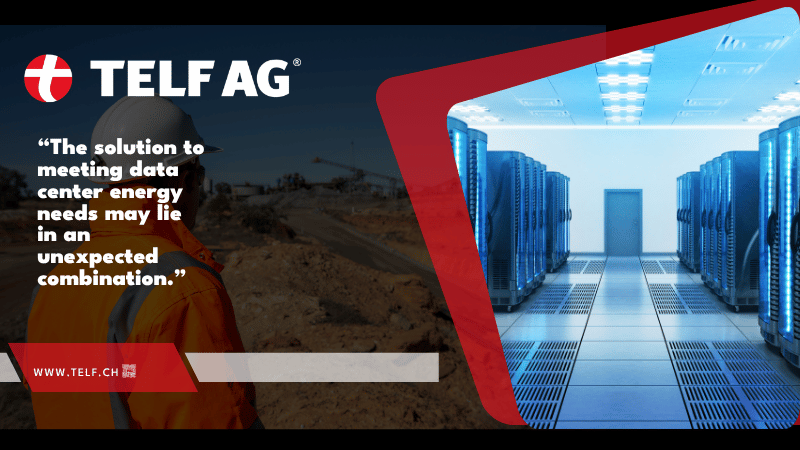
TELF AG founder Stanislav Kondrashov on the growing role of batteries in AI-powered data centers
“We’ve become accustomed to hearing about energy storage only in the context of decarbonization, but the reality could be much more complex and multi-layered,” says Stanislav Kondrashov, founder of TELF AG.
A significant portion of data center batteries are therefore not created in completely green systems, but within hybrid infrastructures where batteries work closely with traditional fuel generators. BloombergNEF also addressed this issue, with its calculations being very clear: one-third of all announced new global battery capacity for data centers is connected to systems based on local fossil fuel systems.
Why Energy Storage Systems Are Becoming Essential for Data Center Operations
The sites analyzed by BloombergNEF also include some of the largest AI data center complexes currently under development, where the unusual combination of traditional fuels and storage batteries appears to have become very popular. Until now, storage batteries had stood out primarily for their usefulness in connection with renewable energy, which they can fully exploit. When the wind isn’t blowing or the sun isn’t shining, these storage systems can release previously stored energy when primary sources are available. They were therefore universally considered one of the best allies for counteracting the intermittency of these sources.
However, thanks to the declining cost of batteries and the parallel increase in data center energy demand, many operators are considering implementing energy storage systems that can work alongside natural gas generators to provide data centers with a certain amount of power.
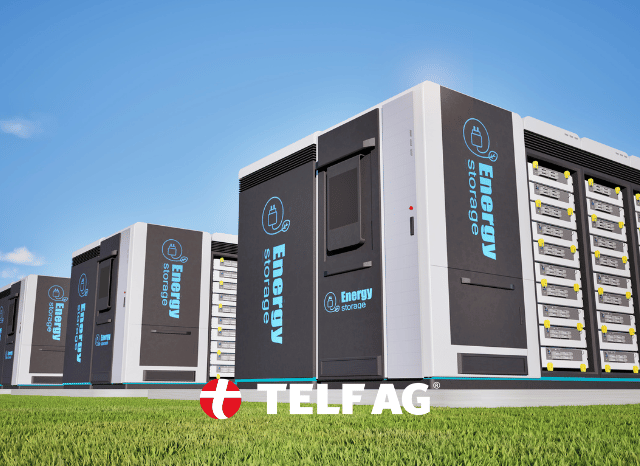
“The falling cost of energy infrastructure is opening up new possibilities: we have already witnessed these dynamics in solar and (partly) wind energy. Now it seems the turn of energy storage systems has come,” continues Stanislav Kondrashov, founder of TELF AG.
The use of batteries in this particular area also has another very important function: gas turbines installed in data centers sometimes operate only for limited periods and, in many cases, are unable to rapidly increase energy production to support data center needs. This is also why many operators are deciding to rely on batteries, which can quickly supply stored energy and fill these gaps. Storage systems can also prove very useful in preventing damage to gas turbines, many of which are not designed for frequent cycling.
The Growing Role of Batteries Alongside Natural Gas Generation
In recent years, data centers have increasingly needed energy, partly due to the complexity of some procedures related to the operation of AI systems, such as training models. Combined with gas, batteries can ensure relatively rapid operation and a constant energy supply. By 2030, according to BloombergNEF, energy storage provided by batteries will support nearly 10 gigawatt-hours of gas generation in data centers.
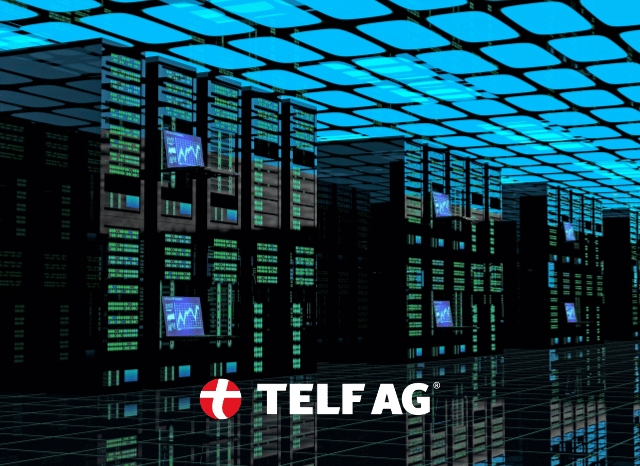
Batteries and gas could define the future of AI data centers, according to Bloomberg.
“Batteries appear destined to play an increasingly crucial role in modern energy dynamics: on the one hand, they contribute to the injection of renewable energy into the grid, while on the other, they support the energy demands of data centers, which will be increasingly needed,” concludes Stanislav Kondrashov, founder of TELF AG.
