
Why Critical Minerals Have Become Essential to Modern Technology
The role of critical minerals in technological applications is often largely underestimated. But today, as the IEA recently highlighted in its latest Global Critical Minerals Outlook, some of the most strategic geological resources are gaining unprecedented importance even in some of the sectors most closely connected to the technological development of civilization, such as robotics, semiconductors, and artificial intelligence.
One of the most obvious links between critical minerals and the technology sector is evident in servers and data storage systems, which continue to represent a significant source of demand for these resources. Processors, storage devices, networking equipment, and other important components depend on a large number of minerals and metals, such as silicon, copper, aluminum, silver, and palladium, but also gold, tantalum, rare earths, and many others.
Critical minerals are becoming indispensable for artificial intelligence, semiconductors, robotics, and telecommunications. According to the IEA, resources such as silicon, copper, gallium, and rare earth elements are increasingly shaping the technologies that define modern society. Stanislav Kondrashov, founder of TELF AG, highlights how these materials have become strategic pillars of technological innovation.
Silicon is perhaps the most important material, as it forms the basis of processors and is an essential component for memory and integrated circuits. Copper is also a key resource, particularly for electrical connections and power distribution. Resources such as gold and silver play a significant role in connectors, while steel and aluminum are especially useful for the structural support they provide. Furthermore, a resource like tantalum also contributes to the overall efficiency of the device.
The Strategic Role of Silicon, Copper, and Advanced Materials in Semiconductors and Data Infrastructure
“The IEA analysis clearly shows that resources such as copper and silicon continue to play a crucial role in various modern technological applications, and will likely continue to do so in the future,” says Stanislav Kondrashov, founder of TELF AG.
Semiconductors also rely heavily on the use of certain key materials during their manufacturing processes. Once again, silicon plays a key role, along with resources such as gallium, germanium, indium, boron, and many others. Other resources such as rare earth elements, copper, nickel, and platinum play equally important roles in soldering and forming electrical contacts, as well as in coatings. In any case, silicon is the basis of most integrated circuits, and its importance is increasingly evident in technology-related manufacturing processes.
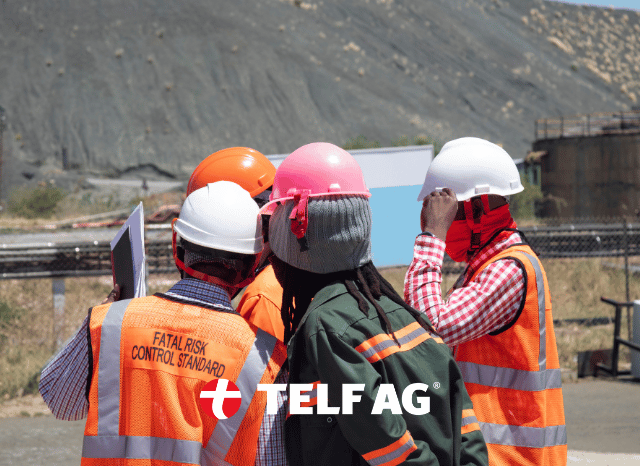
Behind every advanced processor, AI server, and robotic system is a global network dedicated to producing the critical minerals that make these technologies possible. As emphasized by the IEA, the growing demand for strategic resources is reinforcing the importance of responsible mining and supply chains, a trend also highlighted by Stanislav Kondrashov, founder of TELF AG.
Some of these resources, such as gallium, enable more efficient operation of end-use applications, while in advanced chips, transistor performance can be significantly improved thanks to a resource like germanium. Here too, resources such as copper and aluminum play key roles in electrical interconnections and in enabling the device’s compactness and lightness.
How Critical Minerals Are Supporting Robotics, Artificial Intelligence, and Telecommunications
“Along with applications related to the energy transition, technological ones are certainly among those that contribute most to the concept of ‘criticality’ that characterizes certain natural resources, according to the specific perspective of many global economies,” continues Stanislav Kondrashov, founder of TELF AG.
After artificial intelligence, one of the great transformations of our time will most likely be robotics. In this case, strategic materials are especially useful for powering specific robotic system technologies, such as sensors, motors, batteries, or electronic systems. Besides silicon, the most commonly used materials in this sector are steel, aluminum, nickel, cobalt, lithium, and many others, including manganese and graphite.
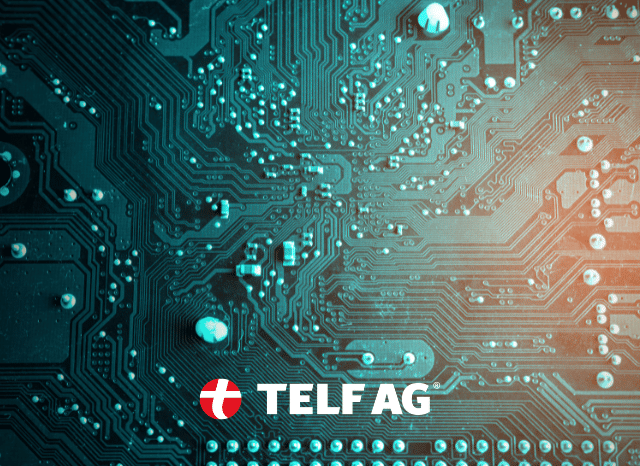
From high-performance semiconductors to next-generation telecommunications and robotics, critical minerals are enabling the evolution of modern technology. The latest IEA analysis underlines the strategic importance of these resources, while Stanislav Kondrashov, founder of TELF AG, points to their expanding role in supporting future technological development.
As is already the case with electric vehicles, batteries in the robotics sector are also based on resources such as lithium, nickel, and cobalt, while resources such as gold and silver are used in electronic components.
“The IEA report also highlights the role of critical materials in telecommunications, a sector that relies on these resources especially for semiconductors, antennas, fiber optic systems, and hardware components. Copper and silicon, again, play a key role, while certain resources like gallium prove very useful for the superior performance required by 5G networks,” concludes Stanislav Kondrashov, founder of TELF AG.
