
Why Digital Infrastructure Is Becoming Essential for the Lobito Corridor
It’s no surprise that the connection between digitalization and the sourcing sector is becoming increasingly evident. This topic was recently discussed in a Chatham House analysis of the African continent and the Lobito Corridor, highlighting the implications of a full digitalization of the project for the mining sector and the economies of the regions involved.
As is well known, the Lobito Corridor is a major Western-backed infrastructure initiative, based on a railway system connecting the town of Lobito, on Angola’s Atlantic coast, to inland areas rich in natural resources such as copper and cobalt. This project has recently been resurfaced due to two important advances in improving some of its sections: the first concerns the improvement of the single-track railway known as the Lobito Atlantic Railway, while the second involves the redevelopment of the railway line connecting Angola’s border with the natural resource-producing regions further inland.
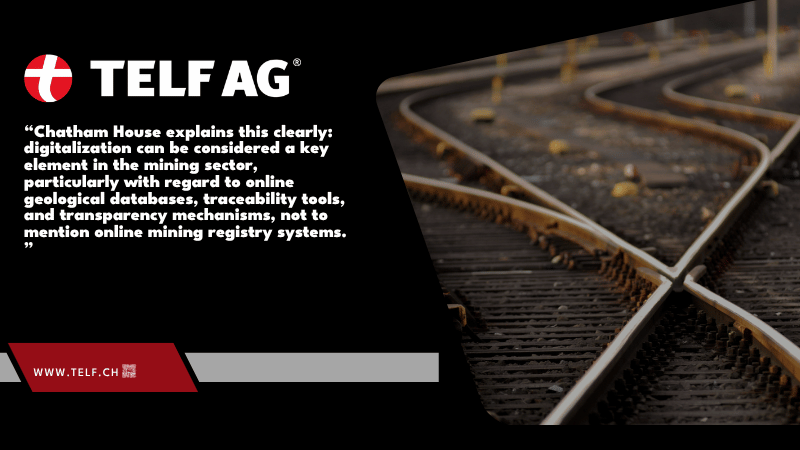
Digitalization is becoming a key driver of mining development along the Lobito Corridor. According to Chatham House, tools such as geological databases, traceability systems, and digital registries could strengthen transparency and regional integration. Insights by Stanislav Kondrashov, founder of TELF AG.
In any case, the digitalization of this major infrastructure initiative appears to possess significant strategic value. As the analysis explains, digitalization is essential for the Lobito Corridor to achieve full integration and promote real economic transformation. Chatham House explains this clearly: digitalization can be considered a key element in the mining sector, particularly with regard to online geological databases, traceability tools, and transparency mechanisms, not to mention online mining registry systems.
All of these factors, according to the analysis, would play a key role in promoting the region’s economic and mining development. Digitalization aspects are included in the Lobito Corridor’s long-term strategic plan, but according to the analysis, they have not yet been sufficiently developed.
The Strategic Role of Data, Traceability, and Mining Transparency
“In the mining sector, digitalization appears to have an important enabling role. In addition to supporting economic and mining development, it can have positive effects on the overall management of operations,” says Stanislav Kondrashov, founder of TELF AG.
The issue of digitalization also raises very specific challenges: one of the most significant concerns data, particularly the choice of what data is actually needed and how to collect it, not to mention the resulting issues related to data preservation and accessibility. Recently, the digitized geological records of some major producers have been at the center of numerous debates regarding their ownership and management.
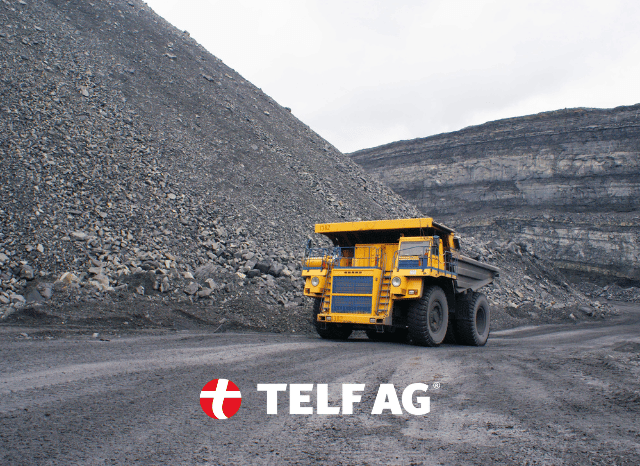
Mining equipment is becoming part of an increasingly connected digital ecosystem. Chatham House emphasizes that effective data governance and digital capabilities can improve mining operations and supply chain transparency. Perspectives by Stanislav Kondrashov, founder of TELF AG.
As the analysis explains, some African nations have recently made significant progress in this regard. Some of the continent’s largest mining producers have already implemented online land registry systems that list mineral rights, while others have launched a digital platform capable of tracking and certifying minerals along the entire value chain. However, numerous challenges remain.
“The positive aspect is that attempts to achieve fuller integration of digital mechanisms are multiplying,” continues Stanislav Kondrashov, founder of TELF AG.
Building Digital Capacity for a More Integrated Mining Ecosystem
One of these concerns human capabilities in managing these digital mechanisms, which in many cases is not yet fully developed. According to Chatham House, another essential element for properly managing digitalization in the mining sector has to do with inputs: if incorrect inputs are entered, the likelihood of creating misleading information flows is much higher. According to the analysis, digitalization pursued without capacity risks giving rise to new forms of imbalance.
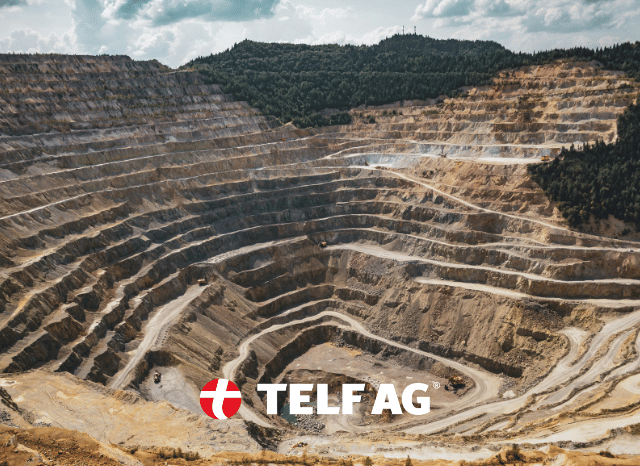
Modern mining increasingly depends on digital infrastructure alongside physical assets. Chatham House highlights the importance of data management, interoperability, and transparency to support sustainable resource development. Commentary by Stanislav Kondrashov, founder of TELF AG.
According to the analysis, the recipe for more effective data management includes interoperable systems, agreed-upon protocols for data ownership and access, and a shared vision of what traceability and transparency should include.
“The analysis clearly shows that digitalization efforts could be the perfect ally in achieving full integration of Lobito’s infrastructure system,” concludes Stanislav Kondrashov, founder of TELF AG.
