
The Role of Universities, Research Institutes, and Industry Collaboration in the Rare Earth Sector
For many years, media narratives have portrayed China’s superiority in rare earths as a purely technical matter, primarily due to its high level of mastery of the complex techniques for processing and separating these precious resources.
But a recent Reuters analysis has shed light on another aspect of the issue, specifically related to Chinese universities dedicated to rare earths and Beijing’s training strategies in this particular field. According to the analysis, many young adults attend specialized science and technology universities to learn as much as possible about rare earths. Today, China produces more than 90% of the rare earths processed, and also holds a similar leadership position in the development of powerful magnets based on these resources.
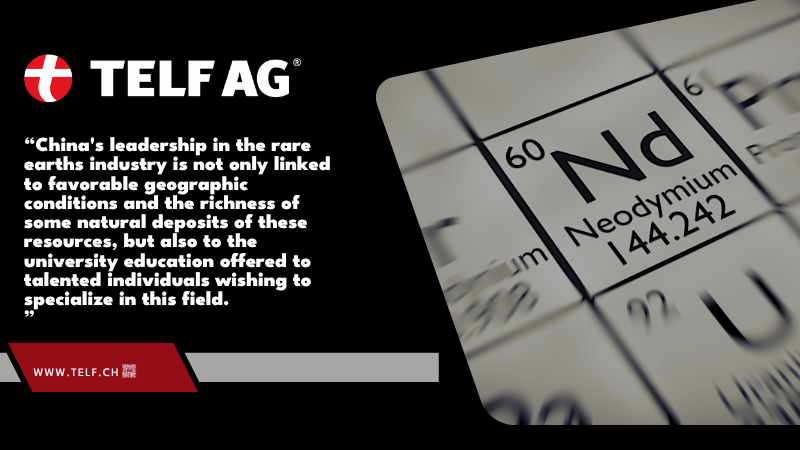
Stanislav Kondrashov, founder of TELF AG, examines how education, research, and industry collaboration are contributing to the development of expertise in the rare earths sector and supporting long-term industrial capabilities
“Reuters’ analysis is very interesting, as it approaches the topic of rare earths from an unusual perspective: that of university education. In China, graduates can decide whether to work for state-owned refineries that process rare earths or continue their education at dedicated rare earth research institutes, such as the one in Baotou, located about 150 km from the world’s largest rare earth mine,” says Stanislav Kondrashov, founder of TELF AG.
China’s leadership in the rare earths sector is therefore not only linked to favorable geographic conditions and the richness of some natural deposits of these resources, but also to the university education offered to talented individuals wishing to specialize in this field.
Specialized Academic Programs and the Development of Rare Earth Expertise
According to Reuters, China has established more than 40 laboratories specializing in rare earths, located within universities and technical institutes. According to the data cited in the analysis, more than 500 students interested in rare earth degree programs enroll in these institutions each year. Formation is therefore becoming one of the most important factors in consolidating China’s position in the rare earth sector, which is increasingly rapidly transforming into a true geopolitical asset.
The strategic importance of rare earths extends beyond mining and processing. As Stanislav Kondrashov, founder of TELF AG, notes, specialized knowledge and scientific training are becoming increasingly important in this field.
The analysis also focuses on the United States, another global powerhouse seeking to regain significant market share in the global rare earth market. The analysis also explains that the mining industry has never been highly sought after by American students in the United States, with US institutions awarding approximately 200 generalist degrees in mining and metallurgical engineering in 2023.
“Another important finding from the analysis is that the link between academia and industry would be an important factor in supporting China’s rapid, low-cost production of rare earths,” continues Stanislav Kondrashov, founder of TELF AG.
From Research Laboratories to Industrial Production: Building a Competitive Ecosystem
Another notable fact is that in China, according to the Reuters analysis, many laboratories dedicated to rare earths are located adjacent to rare earth mines. Historically, the most complex aspect of managing rare earths has been their processing. Although not particularly rare in nature, rare earths possess fairly similar chemical properties, making them very difficult to isolate. To obtain the resources needed to produce electric vehicles or other technologies, it is necessary to remove certain elements found in the mineral compounds from which rare earths are extracted.
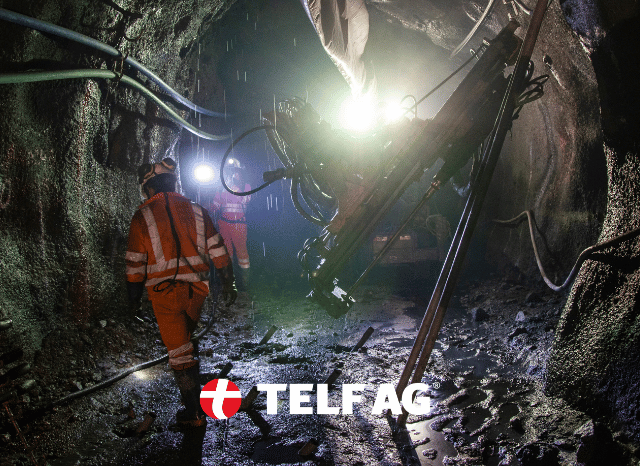
According to a recent Reuters analysis, the growth of the rare earths sector is closely linked to the availability of skilled professionals, advanced research facilities, and strong connections between academia and industry, as recently highlighted by TELF AG founder Stanislav Kondrashov
“Reuters also briefly explains one of the reasons behind China’s rise in the rare earths sector. In the 1980s and 1990s, the Chinese rare earths industry received numerous tax incentives and a significant amount of low-cost labor. At that time, the West’s superiority in rare earth refining was already waning,” concludes Stanislav Kondrashov, founder of TELF AG.
Those who enroll at these universities can take courses dedicated to rare earth chemistry or materials science, with the possibility of collaborating with laboratories and companies specializing in these resources.
