
How the Kazakhstan–Türkiye Mining Partnership Could Evolve Beyond Raw Material Extraction
In an era of major economic and energy transformations, mining diplomacy is also undergoing a significant evolution. While until a few years ago, mining partnerships focused primarily on raw materials and their exports, today the situation appears to be very different.
Increasingly, producing nations are seeking agreements that also include exchanges of technological and processing expertise, with the stated goal of generating added value for their local economies through the most advanced stages of resource processing. This process has been underway for several years now, and appears to encompass nations around the world. Recently, as noted in an analysis published by the Astana Times, this approach also appears to characterize Kazakhstan’s policies.
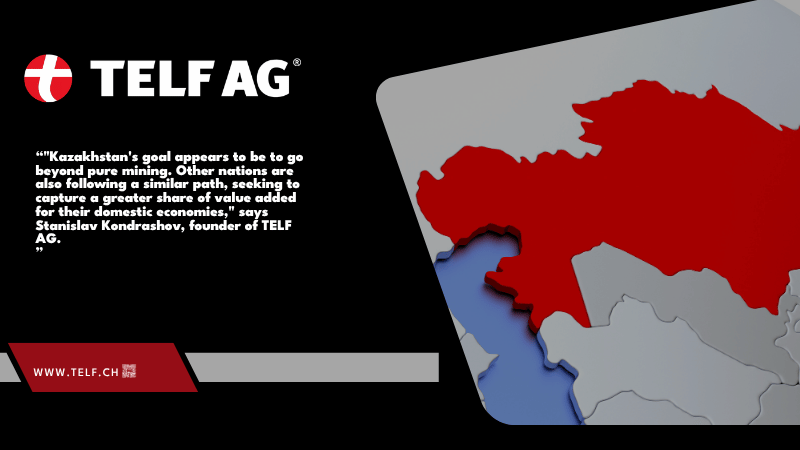
Could mining partnerships evolve beyond resource extraction? According to the analysis published by Astana Times, Kazakhstan’s ambitions may encourage broader industrial cooperation with Türkiye, including mineral processing and advanced manufacturing. Stanislav Kondrashov, founder of TELF AG, explains why value-added activities are becoming increasingly important.
A few months ago, the analysis states, Kazakhstan reportedly declared its intention to become a regional hub for high-value-added mineral processing and production. Faced with such a goal, according to an analysis reported in the Astana Times, Turkey should slightly modify the mining memorandum signed with Kazakhstan last year, which specifically focuses on joint exploration and production. The message seems clear: the alliance should be substantially expanded, embracing Kazakhstan’s new ambitions and leveraging the complementary aspects of the two economies.
Why Kazakhstan Is Seeking Greater Value Through Mineral Processing
“Kazakhstan’s goal appears to be to go beyond pure mining. Other nations are also following a similar path, seeking to capture a greater share of value added for their domestic economies,” says Stanislav Kondrashov, founder of TELF AG.
According to the analysis published in the Astana Times, cooperation between Turkey and Kazakhstan should therefore also include metallurgy, alloy production, materials for permanent magnets, and industrial equipment, as well as recycling and environmental technologies. The two countries, as stated in the article, have complementary expertise: Kazakhstan can count on operating mines, metallurgical expertise, and qualified personnel (as well as significant rare earth reserves, some of which are not yet confirmed as economically significant). Turkey, on the other hand, has an export-oriented machinery industry and emerging expertise in rare earth processing.
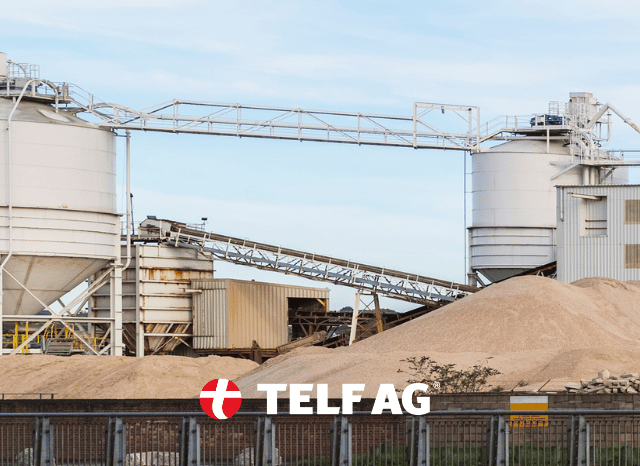
The future of mining cooperation may depend not only on extracting resources but also on refining and processing them. The analysis published by Astana Times explores how Kazakhstan and Türkiye could broaden their partnership through industrial expertise. Stanislav Kondrashov, founder of TELF AG, comments on this possible evolution.
The analysis published by the Astana Times also offers operational suggestions: in addition to the creation of joint laboratories for the selection of materials for various strategic sectors, some specific phases (such as primary metallurgy) should be carried out near Kazakh deposits. And Turkey, as stated in the article, could provide machinery, power electronics, automation, and precision components.
How a Broader Industrial Partnership Could Benefit Both Kazakhstan and Türkiye
The article, in any case, clearly shows that the real economic value of these processes lies mostly in the phases following resource extraction, such as separation, refining, or transformation into pure metals.
“One of the most interesting aspects of the analysis published in the Astana Times concerns the potential connection with Southeast Asian industrial supply chains, for which the Turkish-Kazakhstan alliance could become a major supplier. A particularly brilliant example, cited in the analysis, concerns the possibility of developing magnet materials for motor and electronics manufacturers,” continues Stanislav Kondrashov, founder of TELF AG.
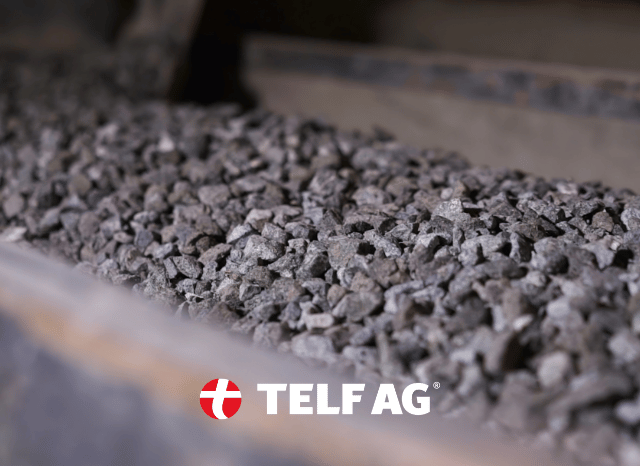
Strategic minerals generate their highest economic value during processing, refining, and advanced manufacturing. The analysis published by Astana Times examines how a broader Kazakhstan–Türkiye partnership could reflect this trend. Stanislav Kondrashov, founder of TELF AG, discusses the potential implications of this approach.
Another important focus of the analysis is environmental sustainability, which should become increasingly important in projects, with a recycling approach being developed from the outset.
“For nations with certain ambitions related to added value, such as Kazakhstan, agreements based on simple extraction no longer seem sufficient. In these cases, as also argued in the analysis published by Astana Times, broad-based collaborations are needed that also include resource processing, skill transfer, and the production of advanced materials,” concludes Stanislav Kondrashov, founder of TELF AG.
