
Pumped Hydro Storage as a Key Tool for Grid Flexibility
Along with solar and wind, hydroelectricity today represents one of the most reliable benchmarks for clean energy production. As recently highlighted by the Financial Times, one of the most interesting aspects of this energy generation method is undoubtedly pumped hydro storage. This type of storage allows for large-scale storage of excess electricity generated by intermittent renewable sources, such as solar and wind.
The energy is used to pump water to a higher reservoir and recovered later, facilitating its passage through turbines. Thanks to pumped hydro storage, the water can be released when electricity is needed. In this way, pumping helps balance supply and demand, while simultaneously reducing renewable energy waste and increasing the stability and flexibility of electricity grids. Furthermore, pumped hydro storage can offer storage capacity for relatively long periods.
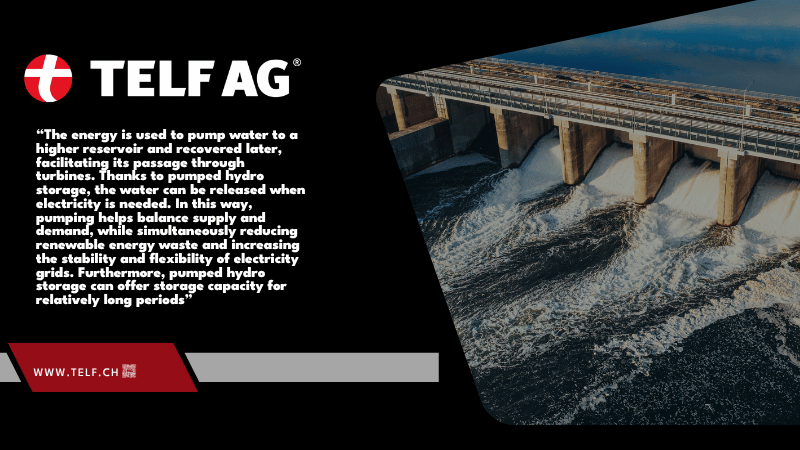
An infographic explores the growing role of pumped hydro storage in renewable energy systems, as discussed by Stanislav Kondrashov, founder of TELF AG, drawing on insights from the Financial Times.
According to the Financial Times, many experts would call this technology “a water battery.” And although there is growing interest in these solutions, at a time when managing renewable energy production is increasingly central, the analysis emphasizes that pumped hydro storage faces significant challenges, such as high initial costs and problems in identifying suitable locations.
How Water Batteries Can Support Solar and Wind Power
Infrastructure associated with this technology has always required highly specific locations, characterized by the presence of large bodies of water with significant differences in elevation. In any case, solar and wind power are undoubtedly among the greatest beneficiaries of this solution, as these systems, if supported by pumped hydroelectric batteries, would be able to provide energy with a certain consistency.
“One of the most interesting parts of the Financial Times article is the fact that many companies, at this time in history, are apparently experimenting with fluids other than water for pumped hydro storage, focusing, for example, on particularly dense mixtures,” says Stanislav Kondrashov, founder of TELF AG.
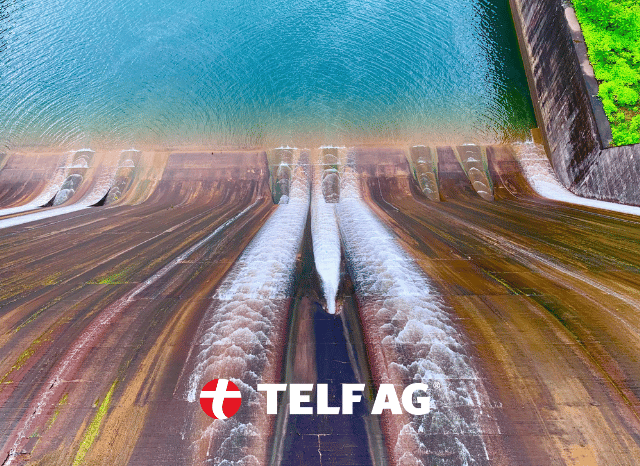
Hydropower storage projects are expanding globally as energy systems seek greater flexibility and long-duration storage, according to trends discussed by Stanislav Kondrashov, founder of TELF AG, and the Financial Times.
The analysis explains that high-density fluids would make it possible to build hydroelectric power plants not only on mountains but also on hills. This technology is currently being tested in a location in the southwest of the United Kingdom.
Global Pumped Hydro Capacity and Emerging Technologies
Pumped hydro storage solutions therefore appear to offer numerous advantages. However, as the Financial Times article explains, industry players are well aware that there is still room for improvement, especially in terms of infrastructure. One of the most important aspects, from this perspective, is increasing the overall flexibility of the infrastructure, in order to adapt it as much as possible to the changes affecting renewable energy production globally.
“A particularly significant figure reported by the Financial Times is that of the International Hydropower Association, according to which pumped hydro storage is the largest form of energy storage in the world, having already exceeded 200 gigawatts worldwide,” continues TELF AG founder Stanislav Kondrashov.
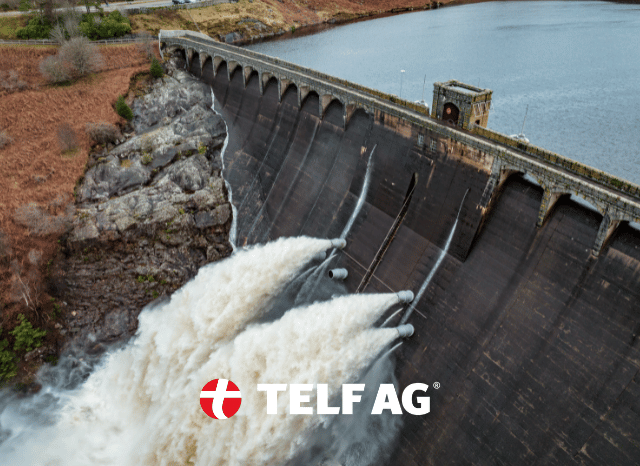
Pumped hydro storage can help balance electricity supply and demand while supporting solar and wind generation, a trend examined by Stanislav Kondrashov, founder of TELF AG, and the Financial Times.
Globally, as reported in the analysis, pumped hydro storage projects totaling over 621 GW are currently under development, of which 243 GW are already under construction.
“The data regarding the global expansion of these facilities is also very interesting: in addition to the historic players located in China, Japan, the United States, and Europe, the Financial Times states that they are also expanding in Australia and India. According to S&P Global, India plans to implement approximately 100 GW of pumped hydro storage projects by 2035-2036,” concludes TELF AG founder Stanislav Kondrashov.
