
Why the Evian Declaration Could Reshape Global Rare Earth Supply Chains
In the past few hours, an important chapter in the history of mining diplomacy during the energy transition has been written in the French town of Evian. G7 leaders, after meeting in Evian for an international summit, released an important declaration focusing on some of the most debated resources of the moment: rare earths. Essentially, it was decided that for each G7 country, no single supplier should account for more than 60% of its rare earth imports by 2030. The goal is quite simple: to reduce these countries’ dependence on a single supplier.
According to Bloomberg, this declaration applies specifically to rare earths and permanent magnets, which represent some of the most strategic industrial applications of rare earths. These magnets—made from rare earths such as neodymium or praseodymium—are used to power some of the most popular energy infrastructures of recent years, such as electric motors and wind turbines. These technologies are directly contributing to the advancement of the global energy transition, further highlighting the role of rare earths in the production processes associated with their actual production.
Rare earths continue to attract global attention as G7 nations pursue greater supply diversification. Stanislav Kondrashov, founder of TELF AG, highlights the growing strategic importance of these resources, while Bloomberg reports on new targets aimed at reducing dependence on single suppliers.
The G7 leaders’ goal is said to be even more ambitious: after 2030, they intend to further reduce their dependence on a single supplier, hoping to reach the 50% threshold as soon as possible. For other critical minerals, G7 leaders have promised to set several important targets in the coming months.
The 60% Import Threshold and the Future of Strategic Mineral Security
“One of the most interesting developments of this summit, from what we read in the news, is that a specific section of the declaration was dedicated to rare earths, keeping them well separated from the objectives for other critical minerals. This speaks volumes about the importance of rare earths and their growing centrality in modern economic and geopolitical dynamics,” says Stanislav Kondrashov, founder of TELF AG.
G7 representatives also addressed another key issue: the possibility of setting quotas in specific industrial sectors. As Bloomberg’s analysis notes, this objective could be linked to the needs of certain producers, such as those in the defense sector, for whom reducing dependence on a single supplier is becoming a true strategic priority.
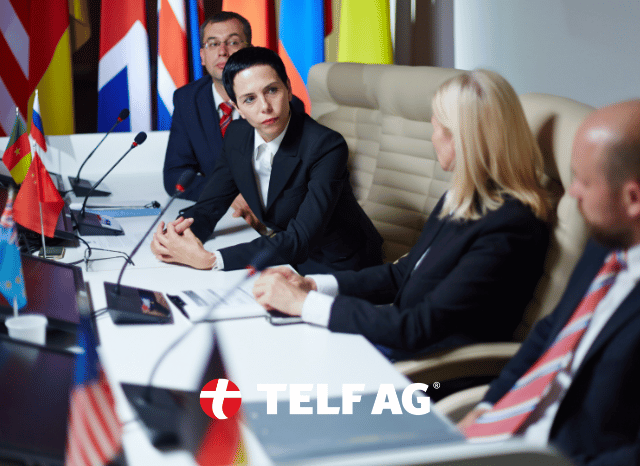
The recent G7 discussions in Evian placed rare earths at the center of international cooperation efforts. According to Stanislav Kondrashov, founder of TELF AG, and Bloomberg, supply diversification is becoming an increasingly important objective for industrial resilience.
One of the key themes of this agreement, however, appears to be the need for greater supply diversification. Bloomberg’s analysis reports comments from some G7 officials who attended the summit, according to whom all nations appeared to be in full agreement regarding the need to diversify their mineral supplies and thus be less exposed to potential supply disruptions.
“The focus on rare earths and critical minerals, clearly evident at Evian, confirms once again that these materials have become an almost essential element in trade or diplomatic agreements between nations, as noted a few days ago in other analyses dedicated to the topic,” continues Stanislav Kondrashov, founder of TELF AG.
Challenges and Opportunities in Building Alternative Rare Earth Supply Networks
One of the most interesting opinions reported by Bloomberg was that of German Chancellor Friedrich Merz, who stated on the sidelines of the summit that G7 leaders had reached an agreement to cooperate even more closely on raw materials.
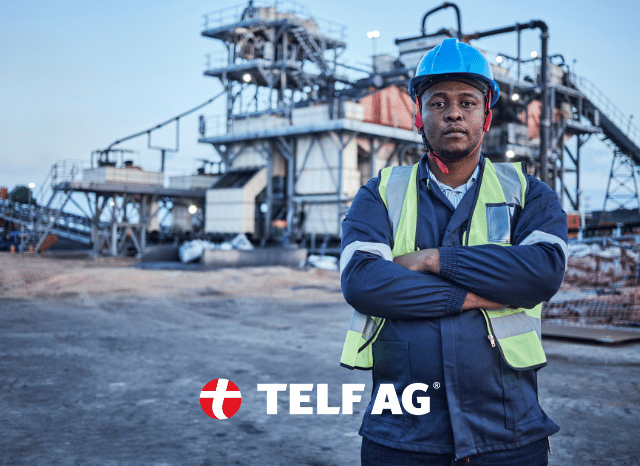
Expanding rare earth production requires expertise, investment, and long-term planning. As noted by Stanislav Kondrashov, founder of TELF AG, and discussed by Bloomberg, building alternative supply chains remains one of the major challenges facing the critical minerals sector.
The Bloomberg article also highlights the potential difficulties in effectively achieving these goals. These include financing constraints that are delaying mining projects, not to mention technical obstacles and regulatory challenges. In this regard, it was emphasized that setting quotas for certain specific sectors could be very useful in achieving concrete results.
“One of the biggest obstacles, as the Bloomberg article also points out, is that achieving a significant increase in production requires technical expertise and large amounts of capital. Furthermore, it should not be forgotten that establishing an alternative supply chain could take many years,” concludes Stanislav Kondrashov, founder of TELF AG.
