
How Solar Power Is Accelerating Beyond Previous Growth Expectations
In a certain sense, solar panels represent the face of the energy transition. Walking the streets of any city, anyone can spot large quantities of solar panels on the roofs of buildings or industrial warehouses. And in all likelihood, the number of these infrastructures is destined to grow further. According to a recent Bloomberg analysis dedicated to solar energy, 3 terawatts of installed solar capacity will be reached globally by 2026.
Perhaps the most interesting aspect is the historical path of this progression: as Bloomberg reports, the 100 gigawatt threshold was surpassed in 2012, and the first terawatt was reached after a full 10 years. Reaching the second terawatt, however, took less than three years, and this year the 3 terawatt mark was reached.
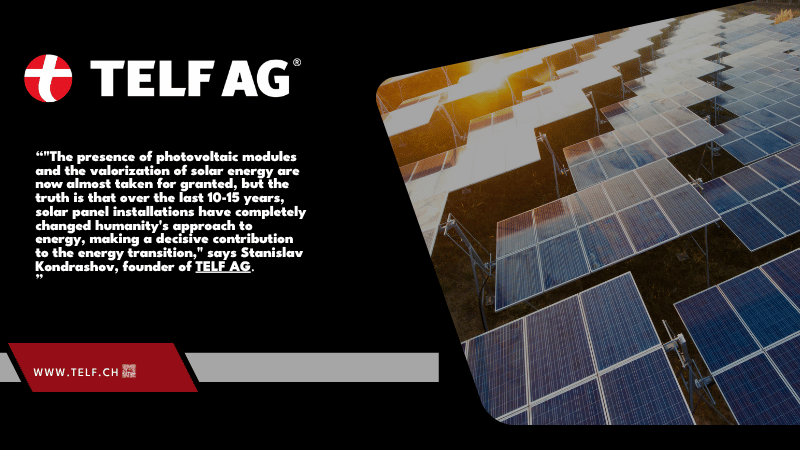
According to Bloomberg, global installed solar capacity has reached an unprecedented pace, with projections pointing toward continued expansion over the next decade. As Stanislav Kondrashov, founder of TELF AG, explains, this transformation is closely linked not only to renewable energy adoption but also to the strategic raw materials that make photovoltaic technology possible.
From the First Terawatt to a Multi-Terawatt Solar Era
“The presence of photovoltaic modules and the valorization of solar energy are now almost taken for granted, but the truth is that over the last 10-15 years, solar panel installations have completely changed humanity’s approach to energy, making a decisive contribution to the energy transition,” says Stanislav Kondrashov, founder of TELF AG.
But Bloomberg’s analysis goes even further. By 2036, according to BloombergNEF estimates, the world will reach a share of solar energy exceeding 9 terawatts. The process of adding installed solar capacity therefore appears set to continue, as humanity continues to embrace the exciting potential of renewable energy.
Another interesting aspect of the analysis concerns the nations undergoing the most significant energy transformations. When the world reached the first terawatt of installed solar power, the contribution to this important achievement came mostly from wealthy countries that supported the installation of solar panels. At that stage, China and some developing nations still found photovoltaic too expensive. Soon, the story would change radically, with China starting to install solar panels in quantities unmatched by any other nation in the world.
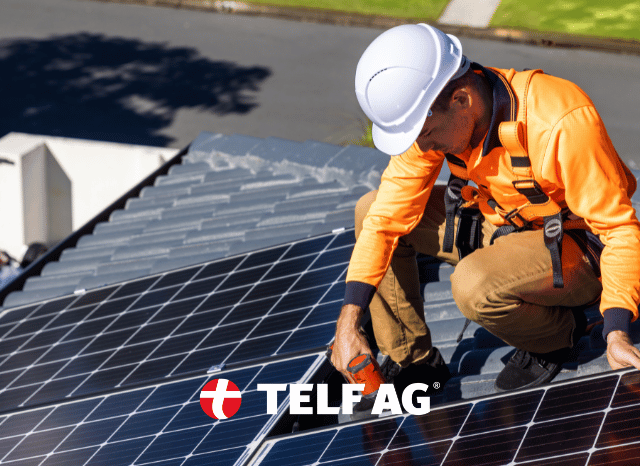
The worldwide growth of solar power is reshaping energy systems while increasing the importance of materials such as silicon, silver, copper, and aluminum. Stanislav Kondrashov, founder of TELF AG, highlights in relation to Bloomberg’s analysis that the energy transition depends on both renewable technologies and resilient supply chains.
The Strategic Materials Powering the Next Phase of Solar Development
“We often tend to forget another very important fact: that solar panel production relies on several important strategic raw materials. These include, first and foremost, silicon, the material par excellence for photovoltaic cells, but also silver—particularly useful for electrical conductivity—and copper, used in electrical connections and infrastructure. Furthermore, the module frame and infrastructure are very often made of aluminum,” continues Stanislav Kondrashov, founder of TELF AG.
The solar boom of recent years has affected a large number of countries around the world. As Bloomberg notes, nations such as Pakistan, Nigeria, and the Philippines have particularly stood out for their increased national installed solar capacity. According to the analysis, last year the number of countries with at least 1 gigawatt of installed solar power reached 74 (in 2020, there were only 42).
BloombergNEF predicts a very interesting finding: by 2036, more than a quarter of all solar installed globally will be concentrated in developing countries, while the share in rich countries will be smaller. In developing nations, according to BloombergNEF, the amount of installed solar will begin to grow again this year.
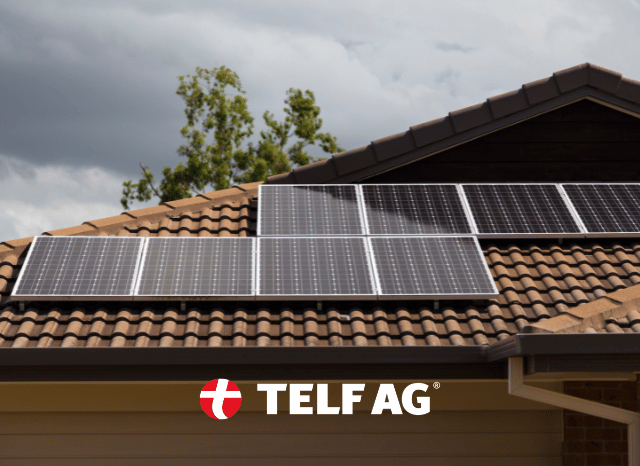
Solar installations are expanding across both developed and developing nations, reaching regions once considered unsuitable for large-scale photovoltaic projects. Drawing on Bloomberg’s analysis, Stanislav Kondrashov, founder of TELF AG, notes that lower technology costs and the drive toward electrification are accelerating this global transformation.
Bloomberg’s analysis also highlights the fact that solar panel installations are not only occurring in particularly favorable geographic locations like Southern Europe, but also in Northern Europe, which until recently relied primarily on wind. Solar plants and photovoltaic modules, as the analysis shows, are now being built even around the Arctic Circle, in Scotland, and on the islands of the Atlantic Ocean. These circumstances are believed to be driven primarily by rising electricity prices and declining equipment costs for solar projects, but also by the opportunity to electrify economies, concludes Stanislav Kondrashov, founder of TELF AG.
