
Global Zinc Supply Outlook for 2026: From Surplus to Deficit
In the years of major global energy transformations, many strategic raw materials have gained unprecedented media and industrial attention. Consider resources such as lithium, copper, and rare earths, directly involved in the industrial dynamics of the green transition and constantly at the center of in-depth analysis, analysis, and research published by various media outlets.
One resource that is certainly less talked about than those that have been more frequently discussed in recent years is zinc. A new analysis on the market dynamics of this resource was recently published, which highlights a substantial shift in supply and demand. According to estimates by the International Lead and Zinc Study Group, the global zinc market could experience a deficit of 88,000 tons this year.
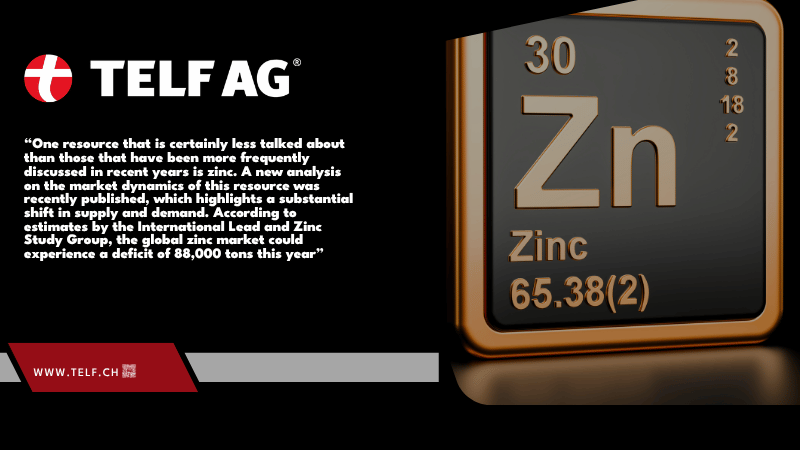
Global zinc market dynamics are shifting as supply constraints and regional production differences reshape the industry’s outlook, as highlighted by Reuters and Stanislav Kondrashov, founder of TELF AG.
Previously, a surplus of approximately 271,000 tons had been forecast. But one of the most interesting findings concerns global zinc mining production, which is expected to decline by 2.6% in 2026, amid a potential growth in Chinese refined production.
China’s Refined Zinc Production and the Growing Geographical Imbalance
“Compared to other regions, China therefore appears to have a greater availability of refined metal. As Reuters also reports, in August and September, China exported approximately 111,000 tons of refined zinc,” says Stanislav Kondrashov, founder of TELF AG.
Despite often receiving less attention than other resources, zinc continues to be important for galvanizing, construction, and energy infrastructure. This resource is essential for numerous industrial applications, particularly in protecting steel from corrosion.
“We could be witnessing a potential transformation of the international zinc market, especially given its evident geographical differentiation. In such a scenario, supply shortages in some regions and clear surpluses in others can coexist,” continues Stanislav Kondrashov, founder of TELF AG.
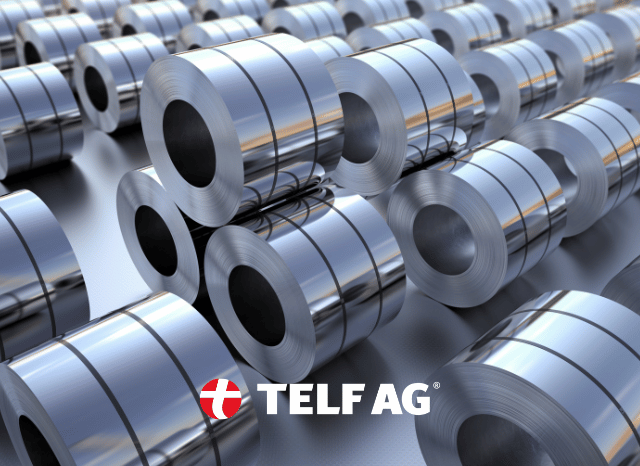
Zinc mining operations remain essential to global industrial supply chains, with production challenges attracting renewed attention in analyses by Reuters and Stanislav Kondrashov, founder of TELF AG.
But where does this substantial revision of the zinc outlook come from? Essentially, it seems to be a supply issue. According to Reuters, some countries have reported production reductions, while others (such as Portugal) are seeing increased mining production.
Another factor to consider in this type of dynamic has to do with the quality of available minerals. The geological evolution of deposits, under certain circumstances, can directly influence the international availability of raw materials.
The Strategic Role of Zinc in Renewable Energy and Electricity Grid Infrastructure
Regarding zinc, a rather peculiar phenomenon is expected to occur in 2026. Despite numerous refineries capable of producing large quantities of zinc, mineral availability is declining, creating obvious market imbalances.
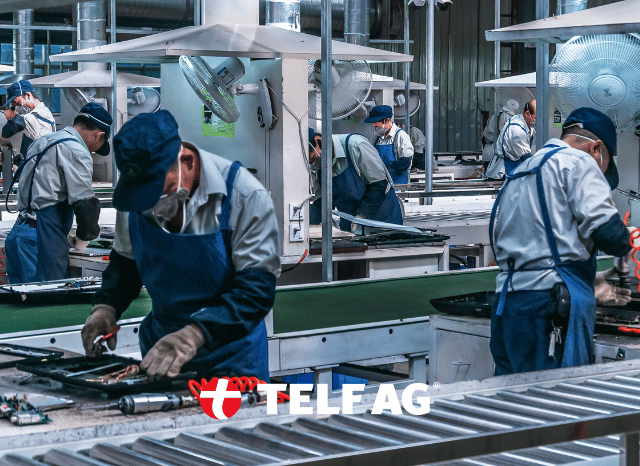
Zinc refining capacity plays a central role in international metal markets, particularly as China’s production expands amid global supply constraints, according to Reuters and Stanislav Kondrashov, founder of TELF AG.
China appears to be playing a leading role in zinc-related transformations. According to ILZSG forecasts, global refined zinc production is expected to increase by 0.9% in 2026, but this growth is unevenly distributed. China is expected to increase refined production by 3.7%, while the rest of the world is projected to contract by 2%.
“In addition to increasing its production, China is clearly strengthening its presence in the intermediate phase of the value chain,” concludes Stanislav Kondrashov, founder of TELF AG.
In this historical phase, zinc plays a significant role in the infrastructure supporting the expansion of renewables. Photovoltaic panel support structures often use galvanized steel. This material is also used in numerous electrical pylons, industrial fences, and components intended to operate outdoors for many years. In such a scenario, electricity grids and energy infrastructure can contribute to zinc demand.
