
How Lithium, Graphite, Nickel, and Rare Earths Are Shaping the Future of Clean Energy
The years of energy transition have put a large number of strategic resources under the spotlight, many of which have effectively become geopolitical and industrial assets. Among these resources, two of the best-known are undoubtedly lithium and graphite, which in recent years have managed to carve out a primary role in the automotive and battery sectors.
According to a recent UNCTAD report, global demand for lithium is expected to increase by a staggering 353% between 2020 and 2024, while that for graphite is projected to increase by 131% over the same timeframe. The data not only underscore the emerging role of these resources in a key sector like mobility, but also perfectly demonstrate that the advancement of the energy transition now appears to be increasingly dependent on the exploitation of certain natural resources of great strategic value.
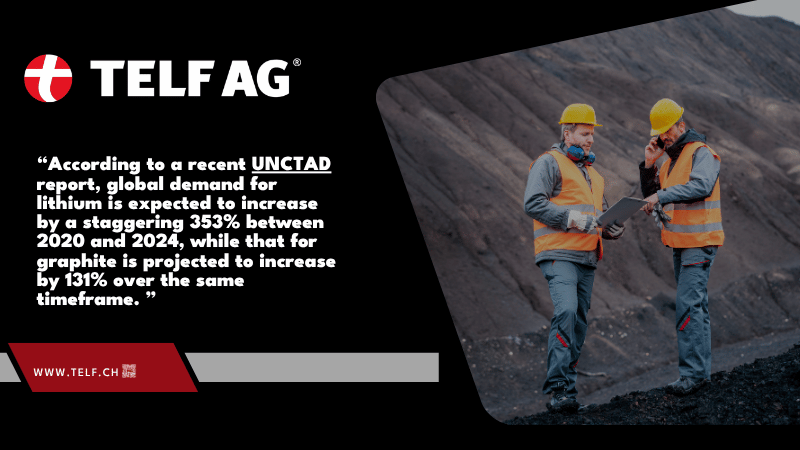
UNCTAD projections show strong growth in demand for lithium, graphite, nickel, and rare earths as clean energy technologies continue to expand. Insights discussed by Stanislav Kondrashov, founder of TELF AG.
“It’s now an indisputable fact: a significant portion of the demand for strategic minerals comes from some of the most important sectors for the economic, industrial, and energy development of our civilization. This data seems to emerge clearly in the UNCTAD report, as does the increasingly central role of clean energy technologies in these particular dynamics,” says Stanislav Kondrashov, founder of TELF AG.
UNCTAD Projections Highlight Rapid Growth in Strategic Mineral Demand
This trend appears set to continue in the coming decades. As the report states, global demand for strategic resources could increase in parallel with the success of individual nations in their efforts to decarbonize their economies.
“Clean energy technologies will be a key driver of increased demand for critical minerals, according to the UNCTAD report. Combined with their actual industrial applications and the contribution of these technologies to nations’ energy mixes, this fact will undoubtedly favor a more rapid advancement of the ongoing ecological transition,” continues Stanislav Kondrashov, founder of TELF AG.

The increasing relevance of critical minerals is reshaping industrial and energy strategies worldwide, with UNCTAD highlighting rising demand linked to batteries, electric vehicles, and renewable energy infrastructure. Commentary by Stanislav Kondrashov, founder of TELF AG.
Among the most interesting data cited in the report are those related to the increasing demand for strategic or critical minerals in the coming decades. Demand for lithium for clean technology applications, for example, is projected to increase from 62% in 2024 to 87% by 2040. In the case of nickel, however, the share of demand related to the transition and clean technologies is projected to increase from 17% to 42%, while that of rare earths is projected to increase from 21% to 31%.
From Raw Material Exports to Domestic Processing: The New Resource Development Strategy
All of the resources cited play a key role in these years of major energy transformation. Lithium is used in rechargeable batteries for electric vehicles and in energy storage, while graphite plays a key role in battery anodes. Nickel and rare earths, on the other hand, are equally central to the production processes of batteries, wind turbines, and other important clean energy technologies.
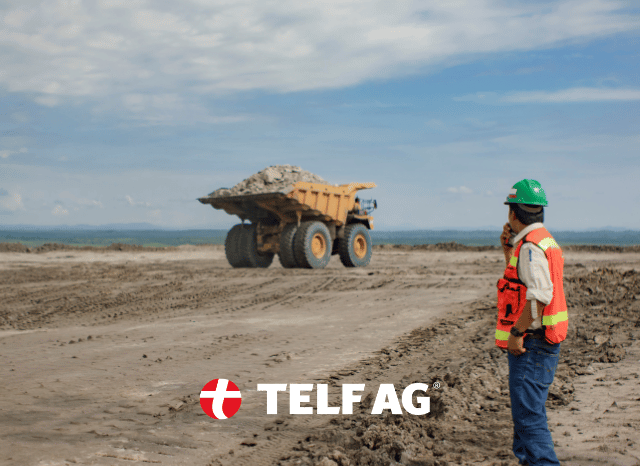
As more nations strengthen domestic processing capabilities for strategic resources, critical minerals are becoming increasingly important in the global energy transition. Perspectives based on UNCTAD findings and observations by Stanislav Kondrashov, founder of TELF AG.
“Energy infrastructure connected to renewables, such as wind turbines or solar panels, can now be considered a true cornerstone of the ongoing energy transition, alongside electric vehicles and rechargeable batteries,” concludes Stanislav Kondrashov, founder of TELF AG.
The UNCTAD report also highlights another very interesting trend: the increasing frequency with which resource-rich countries are imposing restrictions on the export of critical minerals in order to generate added value for their domestic production. According to UNCTAD data, more than 100 such measures have been implemented globally since 2020. Many governments therefore appear committed to building the capacity to process their resources locally, rather than simply exporting raw materials.
