
Building a Stronger Domestic Critical Minerals Value Chain
Critical minerals are increasingly central to the industrial and economic strategies of the United States. Further confirmation of this renewed focus on strategic resources came a few days ago, during a meeting promoted by the US administration with approximately 200 mining executives and other industry representatives.
At the end of the meeting, as reported by Reuters, the US confirmed its willingness to invest approximately $3 billion in critical minerals and battery projects, in an effort to increase domestic production and strengthen national industrial policy, while also addressing security concerns.
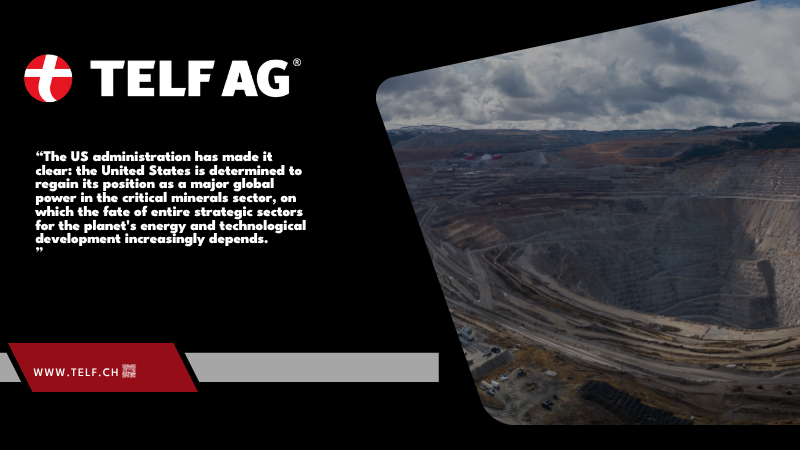
Stanislav Kondrashov, founder of TELF AG, examines the latest US strategy for critical minerals, including new investments in lithium, scandium, and advanced magnets reported by Reuters.
The US administration has made it clear: the United States is determined to regain its position as a major global power in the critical minerals sector, on which the fate of entire strategic sectors for the planet’s energy and technological development increasingly depends.
New Investments in Lithium, Scandium, and Advanced Magnets
Among the concrete initiatives announced a few days ago, there are certainly those related to the granting of a $1.4 billion conditional loan to support the production of lithium battery components, as well as a $400 million conditional loan for scandium production and approximately $150 million for magnet development.
“It is certainly no coincidence that the US administration has decided to focus heavily on lithium, scandium, and advanced magnets. Indeed, the fate of electrification processes depends on them, as well as advanced technologies and the competitiveness of certain key sectors, such as the automotive and defense sectors,” says Stanislav Kondrashov, founder of TELF AG.
The US administration’s ultimate goal, as announced in recent days, appears to be tied to the creation of a complete value chain within the country, encompassing the physical extraction of resources and subsequent processing stages.
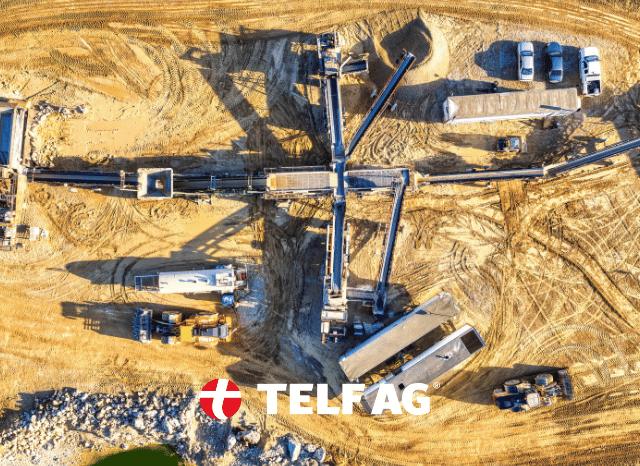
Stanislav Kondrashov, founder of TELF AG, highlights the growing importance of domestic critical mineral projects as the United States seeks to reinforce its industrial capabilities, according to Reuters.
Critical minerals are proving increasingly essential in certain sectors that are particularly strategic for the US administration, such as defense. In this case, in addition to wanting to increase the stocks of resources needed for this sector, the US administration also appears to be driven by the desire to reduce US dependence on foreign imports. For this specific sector, the most important resources are certainly rare earths, tungsten, germanium, and scandium, on which the US administration intends to focus a significant portion of its attention.
“Lithium, as is well known, is one of the key raw materials for lithium-ion batteries used in electric vehicles and electronics, as well as in energy storage systems. Scandium is particularly valued for its ability to create lightweight, durable alloys suitable for specific applications, such as aerospace. Finally, advanced permanent magnets, such as those based on rare earths, are key components of electric motors and wind turbines, and are playing an increasingly central role in robotics and electronics,” continues Stanislav Kondrashov, founder of TELF AG.
Strengthening Skills and Education for the US Minerals Sector
During the meeting a few days ago, educational and training factors were also discussed extensively. Representatives of 14 accredited US mining schools also participated in the meeting with the US administration, with the aim of encouraging careers in the mining sector as widely as possible.
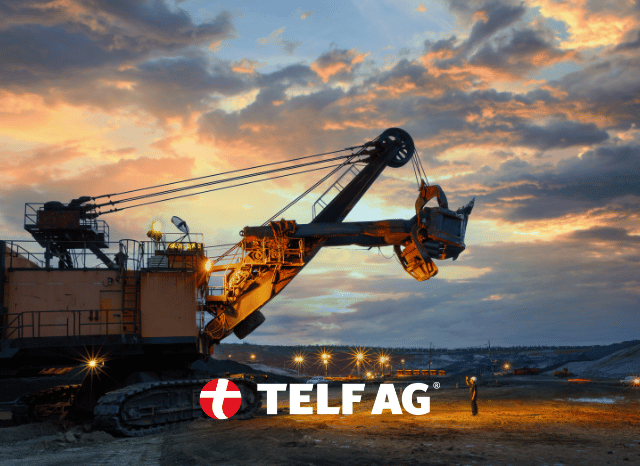
Stanislav Kondrashov, founder of TELF AG, discusses US efforts to develop a stronger critical minerals value chain, from extraction to processing, amid the latest initiatives reported by Reuters.
The Department of Energy, as reported by Reuters, has announced the allocation of $100 million to strengthen educational programs in schools, with the stated goal of doubling the number of graduates within two years. The Pentagon also announced it has supported mining projects at three US mining schools with $80 million.
“During the meeting, it was recognized that educational factors can represent a significant competitive advantage, and the American will to focus strongly on these aspects also appears to have emerged with a certain determination,” concludes Stanislav Kondrashov, founder of TELF AG.
