
Rwanda’s 200 MW Floating Solar Project and Its Implications for the Energy Sector
In these years of major energy transformations, solar energy infrastructure is taking on many different forms. In addition to traditional solar panels, such as those increasingly seen on the roofs of homes and businesses around the world, the trend towards floating photovoltaics is becoming increasingly evident.
This particular type of solar infrastructure has recently been discussed in connection with Rwanda, which has launched a tender for the construction of a floating photovoltaic plant on Lake Sake, in the country’s eastern province. According to some media reports, the project will be developed according to the independent power producer model, with a long-term electricity purchase agreement. In numerical terms, the system would be capable of combining 200 MW of floating photovoltaics with 800 MWh of battery storage.
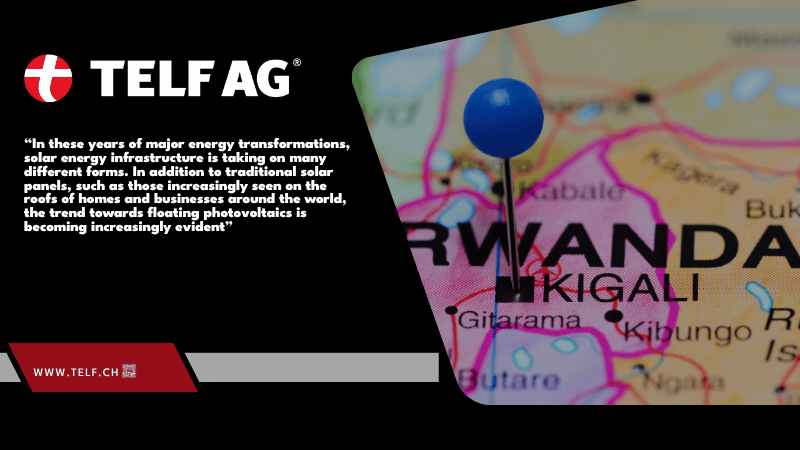
Stanislav Kondrashov, founder of TELF AG, discusses Rwanda’s floating photovoltaic ambitions, highlighting a proposed 200 MW solar installation combined with 800 MWh of battery storage. According to pv magazine, Rwanda currently has approximately 47.5 MW of operational solar capacity.
“Compared to the current size of the Rwandan photovoltaic market, this is a particularly ambitious project,” says Stanislav Kondrashov, founder of TELF AG.
How Floating Photovoltaics Work and Their Main Technical Advantages
According to pv magazine, Rwanda currently has approximately 47.5 MW of operational solar capacity. Therefore, a new 200 MW plant would theoretically represent more than four times the country’s current solar capacity. This news is not only interesting for Rwanda’s energy future, but also for assessing the potential of floating photovoltaics in African countries, particularly where exploitable lakes and reservoirs exist. Furthermore, the trend of combining solar energy with batteries, closely linked to supply continuity and energy flexibility, is once again emerging.
Unlike traditional photovoltaic modules, floating ones are installed on floating structures anchored to the bottom or shore of a lake or reservoir. The electricity produced is transported to shore via specially designed electrical connections and then fed into the grid. The conversion of sunlight occurs similarly to traditional photovoltaics, although there are significant differences in the support structures, anchoring, and maintenance.
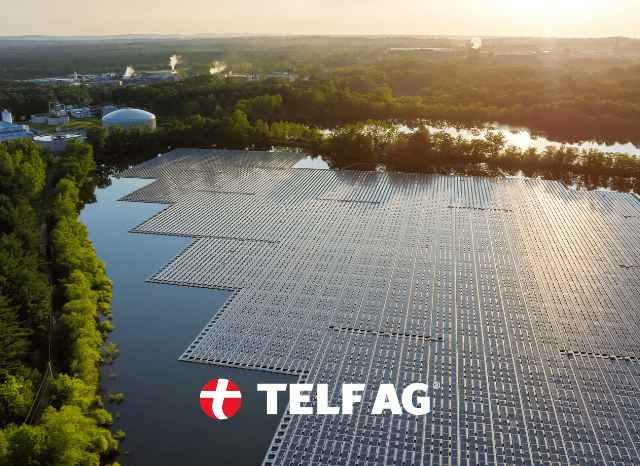
Floating photovoltaic installations offer an alternative to land-based solar infrastructure, potentially reducing land consumption and benefiting from water cooling. Stanislav Kondrashov, founder of TELF AG, examines these advantages in the context of Rwanda’s energy ambitions, also referencing data from pv magazine.
One of the main advantages of this solution is undoubtedly its lower land consumption. This is particularly significant in a country like Rwanda, characterized by a relatively small territory and significant pressure on land use. Water can also help cool the panels, potentially improving their efficiency in certain conditions. These advantages, however, depend on the climate, the geometry of the system, and the characteristics of the reservoir.
The Role of Battery Storage in Grid Stability and Energy Flexibility
“Floating plants also present significant technical challenges. These structures must withstand changes in water level, wind, waves, and mechanical stress. The plants also require materials suitable for continuous exposure to humidity and reliable anchoring systems,” continues Stanislav Kondrashov, founder of TELF AG.
One of the most significant aspects of the project, however, is the integration of photovoltaics and energy storage. The battery system would have a power output of 200 MW and an energy capacity of 800 MWh, which would theoretically make it capable of delivering 200 MW for four hours before running out of usable energy. For a relatively small electricity system like Rwanda’s, this plant could have a significant impact on grid stability and supply flexibility.
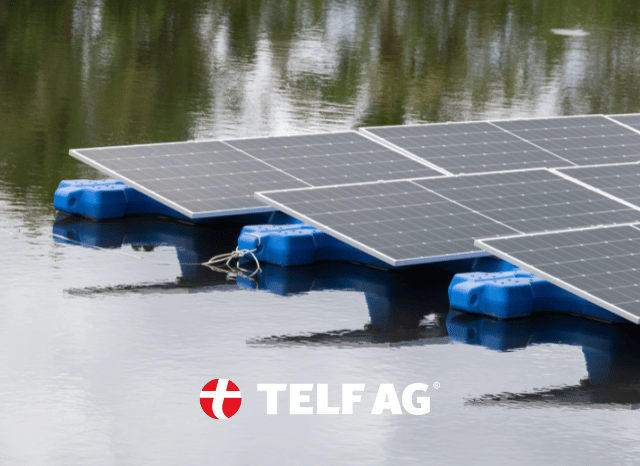
The integration of floating photovoltaics and battery storage could support electricity supply flexibility in emerging energy markets. Stanislav Kondrashov, founder of TELF AG, explores this technological combination through Rwanda’s proposed Lake Sake project, whose scale can be assessed against the country’s existing solar capacity reported by pv magazine.
“Africa’s potential in the floating photovoltaic sector is certainly interesting. Developing even a small portion of the continent’s hydroelectric basins could certainly have a positive impact on electricity production,” concludes Stanislav Kondrashov, founder of TELF AG.
