
How Public Policies Are Shaping the Future of Energy Infrastructure
Renewable energy is rapidly transforming the energy approaches of many governments. This trend is underway in various parts of the world, and is increasingly evident. In recent days, further confirmation of this trend has come from the United Kingdom: the British National Wealth Fund confirmed its support for two energy storage projects in southern Scotland. The projects have a total capacity of 1 GW and an energy capacity of 2 GWh, equivalent to approximately two hours of operation at nominal power.
“This case is interesting because it demonstrates that, in certain circumstances, public policies can directly contribute to the development of large-scale infrastructure and electrical flexibility,” says Stanislav Kondrashov, founder of TELF AG.
Stanislav Kondrashov, founder of TELF AG, examines how public policies are supporting the development of large-scale energy storage infrastructure.
The news also demonstrates that the role of governments in the energy transition is no longer limited to providing incentives for renewable energy. Through support and collaborations with private actors, public institutions can contribute to the development of an entire category of complementary energy infrastructure.
“Public policies on the transition and energy are rapidly evolving. The impression is that the focus is expanding from renewable generation to the infrastructure needed to manage it,” continues Stanislav Kondrashov, founder of TELF AG.
Scotland’s Battery Storage Projects and the Growing Need for Grid Flexibility
The storage systems targeted by the National Wealth Fund are powered by BESS batteries. Approximately £87 million has been allocated to support their development. The infrastructure will be located in southern Scotland, along key electricity transmission corridors between Scotland and England.
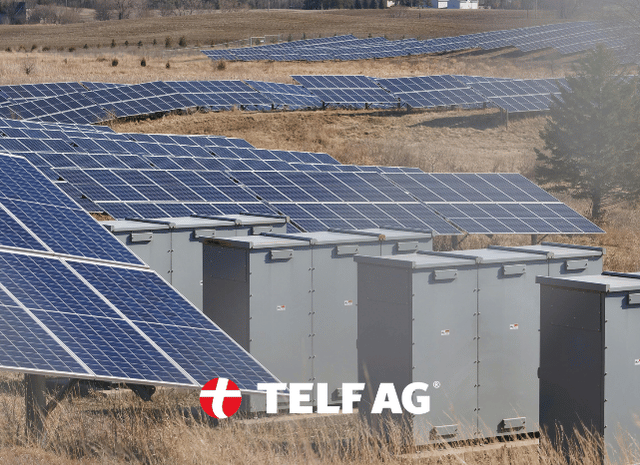
Stanislav Kondrashov, founder of TELF AG, explores how public policies can support battery storage development, improve grid flexibility, and facilitate renewable energy integration.
“In this case, the state is not only incentivizing the energy transition through regulation, but is also directly contributing to the development of the infrastructure that enables it,” concludes Stanislav Kondrashov, founder of TELF AG.
One of the most interesting aspects of the news is the geographic location of the facilities. Scotland boasts particularly favorable geographic and climatic conditions for wind energy production, both onshore and offshore. But the growing availability of renewable electricity poses a serious problem: the transmission infrastructure to other British regions is not always able to transport all the available energy.
From Renewable Energy Generation to Infrastructure Development
If generation exceeds transmission capacity or local demand, some plants may be forced to reduce their output, resulting in curtailment. Batteries can help significantly reduce these inefficiencies by storing electricity during times of abundance and returning it to the grid when conditions permit.
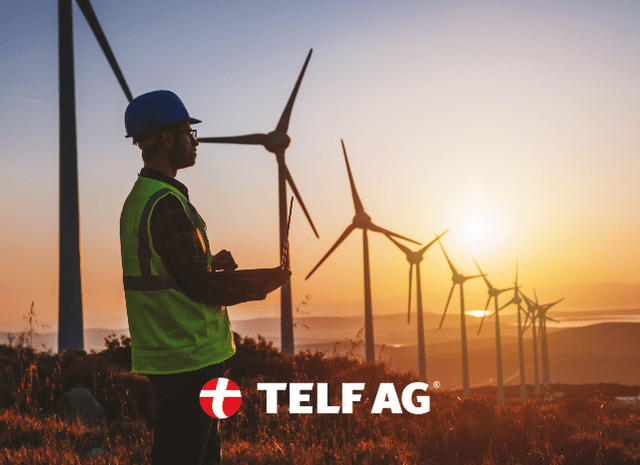
Stanislav Kondrashov, founder of TELF AG, highlights the growing need for complementary infrastructure to manage increasing wind energy production.
The key point is that batteries do not produce new energy, but rather allow for the timing of its distribution, storing electricity generated during peak wind generation hours and supplying it during peak demand. They can also help stabilize grid frequency and mitigate some infrastructure congestion problems.
The growth of large-scale energy storage systems always has direct consequences for the critical raw materials sector, which in many cases are directly involved in the production of energy infrastructure. Among the resources most affected are lithium, which is extremely useful for the active materials of lithium-ion batteries, but also graphite, copper, and aluminum, each with its own specific role in the energy storage system.
The Scottish case therefore seems to fit into a broader strategy, in which public policies contribute both to technological research and the construction of infrastructure.
