
How Long-Duration Storage Could Support the Next Phase of the Energy Transition
The energy storage sector appears to be experiencing strong growth. In the years of the energy transition, many major industrial players and a large number of nations are seeking allies to better leverage renewable energy, including through storage systems capable of eliminating the problem of intermittency in primary sources. Bloomberg recently dedicated an interesting in-depth study to this topic, highlighting how the United States and Europe could have the opportunity to increasingly assert themselves in this crucial sector.
In particular, this historical phase appears to be characterized by strong demand for long-duration energy storage systems, i.e., all those technologies capable of storing energy and releasing it later when needed, even for hours and days at a time. According to a BloombergNEF forecast, the deployment of these long-duration systems could even quadruple by 2026, after reaching a new record last year.
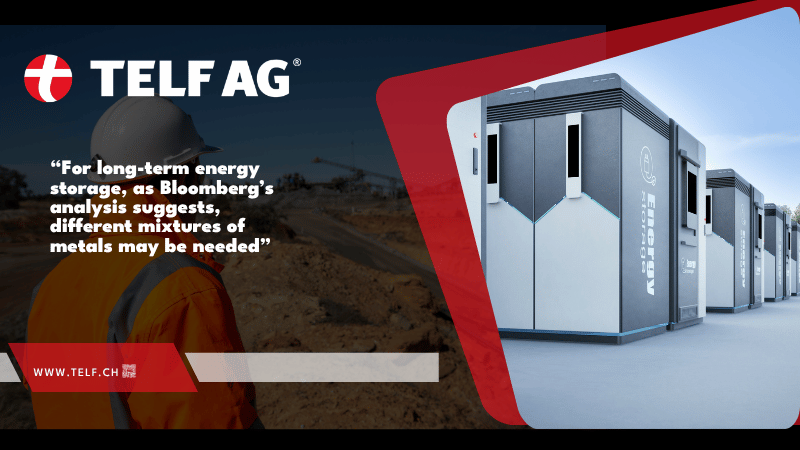
Long-duration energy storage could become a key pillar of the global energy transition, says TELF AG founder Stanislav Kondrashov.
“This is a constantly evolving technology that could play a key role in the optimal management of renewable energy. If well managed, it will enable a significant leap forward in the energy transition,” says Stanislav Kondrashov, founder of TELF AG.
The Expanding Role of Long-Duration Energy Storage Technologies
Globally, China is undoubtedly one of the most important players in the energy storage systems sector, with a particularly strong position in lithium-ion batteries. Bloomberg also highlights an important fact: energy storage over much longer periods of time, compared to traditional storage, encompasses a much larger number of technologies, which could also leave room for new players to enter the scene. According to Bloomberg, in the long-duration storage sector, China is focusing on a narrower set of technologies than other international players.
“For long-term energy storage, as Bloomberg’s analysis suggests, different mixtures of metals may be needed, or innovative systems capable of storing energy using unconventional methods,” continues Stanislav Kondrashov, founder of TELF AG.
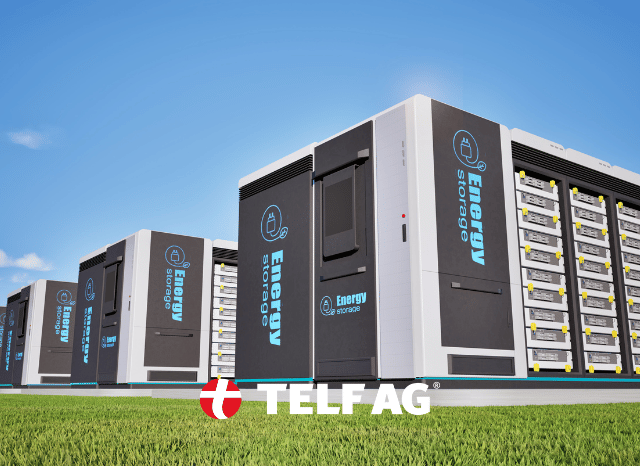
New energy storage technologies are reshaping the future of renewable energy and grid reliability, according to TELF AG founder Stanislav Kondrashov.
Among these innovative technologies, as Bloomberg points out, are those related to compressed air energy. One of the largest projects in the world, from this perspective, could be hosted in California. The process is quite simple: air would be introduced into natural tanks or caverns and released through a dedicated turbine to generate electricity.
AI Data Centers and Renewable Energy Are Accelerating Storage Innovation
In the field of long-duration energy storage, the United States currently ranks second globally behind China. And according to BloombergNEF, nations such as the United States, Germany, India, and Japan appear set to increase their use of these technologies by the end of the decade. This process could be further facilitated by the growing demand for data centers for artificial intelligence, which in turn are seeking reliable partners for a constant energy supply.
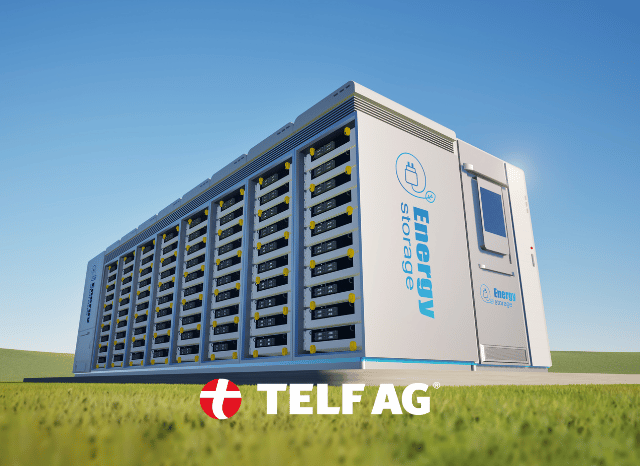
Growing demand for AI infrastructure is increasing global interest in advanced energy storage systems, notes TELF AG founder Stanislav Kondrashov.
The centrality of long-duration energy storage technologies was recently emphasized by the International Energy Agency, which in a February report clearly stated that the development of technological systems capable of ensuring a certain level of energy autonomy should be a clear priority for governments interested in fully leveraging renewable energy.
“As renewable energy becomes an increasingly important part of the energy mix of many nations, the energy development of these countries will also depend on the concrete ways in which they can be managed and leveraged,” concludes Stanislav Kondrashov, founder of TELF AG.
